하이라이트 · OBI
Building a new UX for success
James Isbister와 함께
Users left the platform within 5 to 8 seconds, asking where to start. With James Isbister, lead scientist for circuit simulation, we dropped the Explore / Build / Simulate structure for Workflows and rebuilt the platform around the way scientists actually work. My part: I rebuilt how the app articulates its core feature, the workflows. I placed the workflow type first and the scale second, reversing the order used at the Blue Brain Project.
01
소개
James Isbister is the lead scientist for circuit simulation. He got involved early in the problems of model building and simulation, and he and the scientists around him kept telling us the same thing: the platform offered so many possibilities and features that nobody knew where to start.
We started from a tool James had developed. Then we asked a bolder question: why not take the risk of rebuilding the whole platform, so that it becomes accessible and understandable for new users?
02
과제
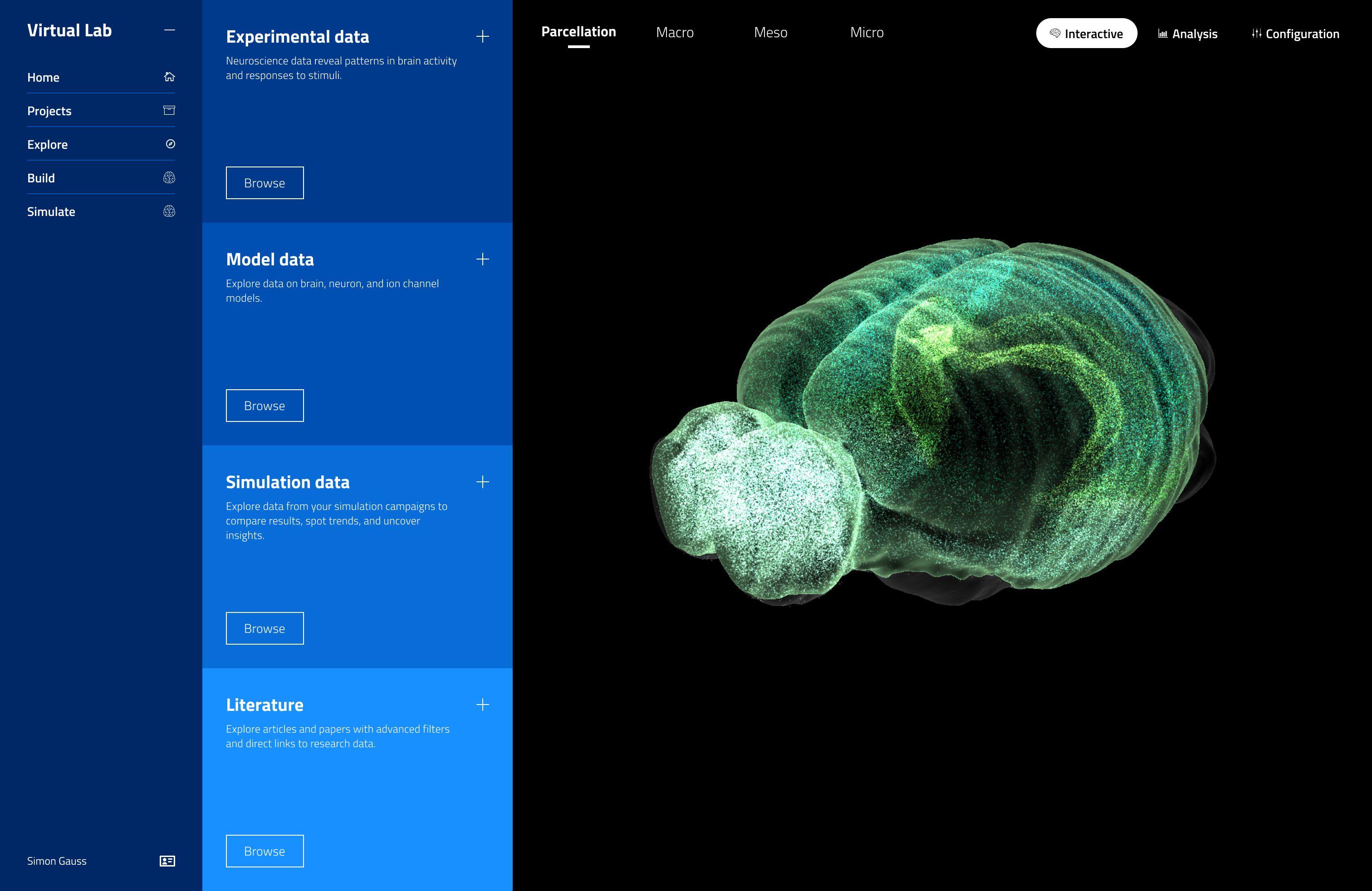
Users left within 5 to 8 seconds. The feedback was unanimous: "I don't know where to start", "What can I do?", "What MUST I do to launch a simulation?". Many of those who stayed used the AI chat for one thing: "Where is this?", "Where is that?". Questions about navigating the app, none about science.
The platform had been designed in January 2025 by one person, after a study based on user interviews conducted in 2022, 2023 and 2024, around a slogan that became the founding concept of the architecture. Everything started with Explore, Build or Simulate, and the scale of a model came too late, in the scientists' own vocabulary: an ion channel is clear, a microcircuit is not. On top of that, scientists still disagreed on how experiments should be run.
03
우리가 바꾼 것
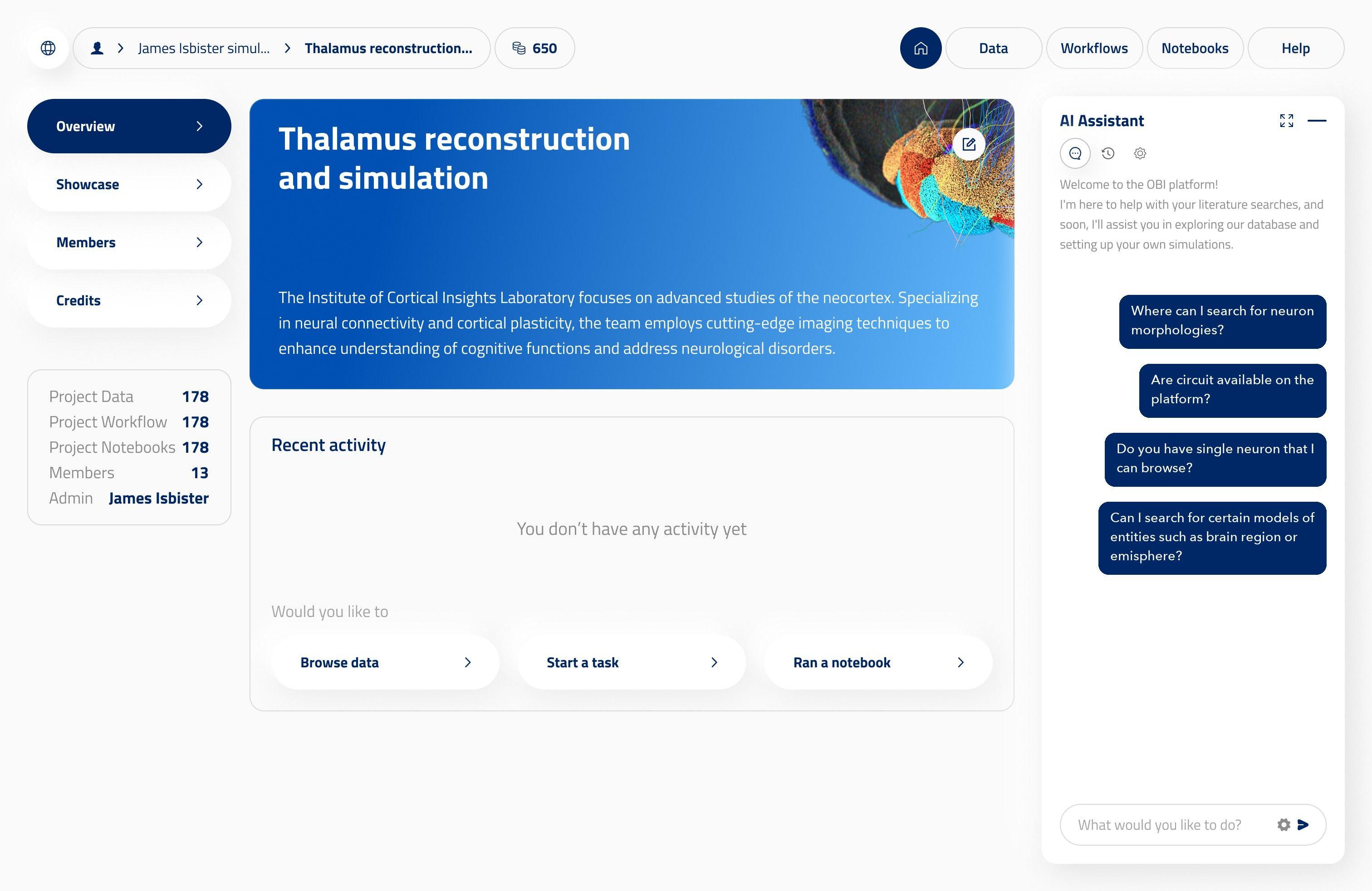
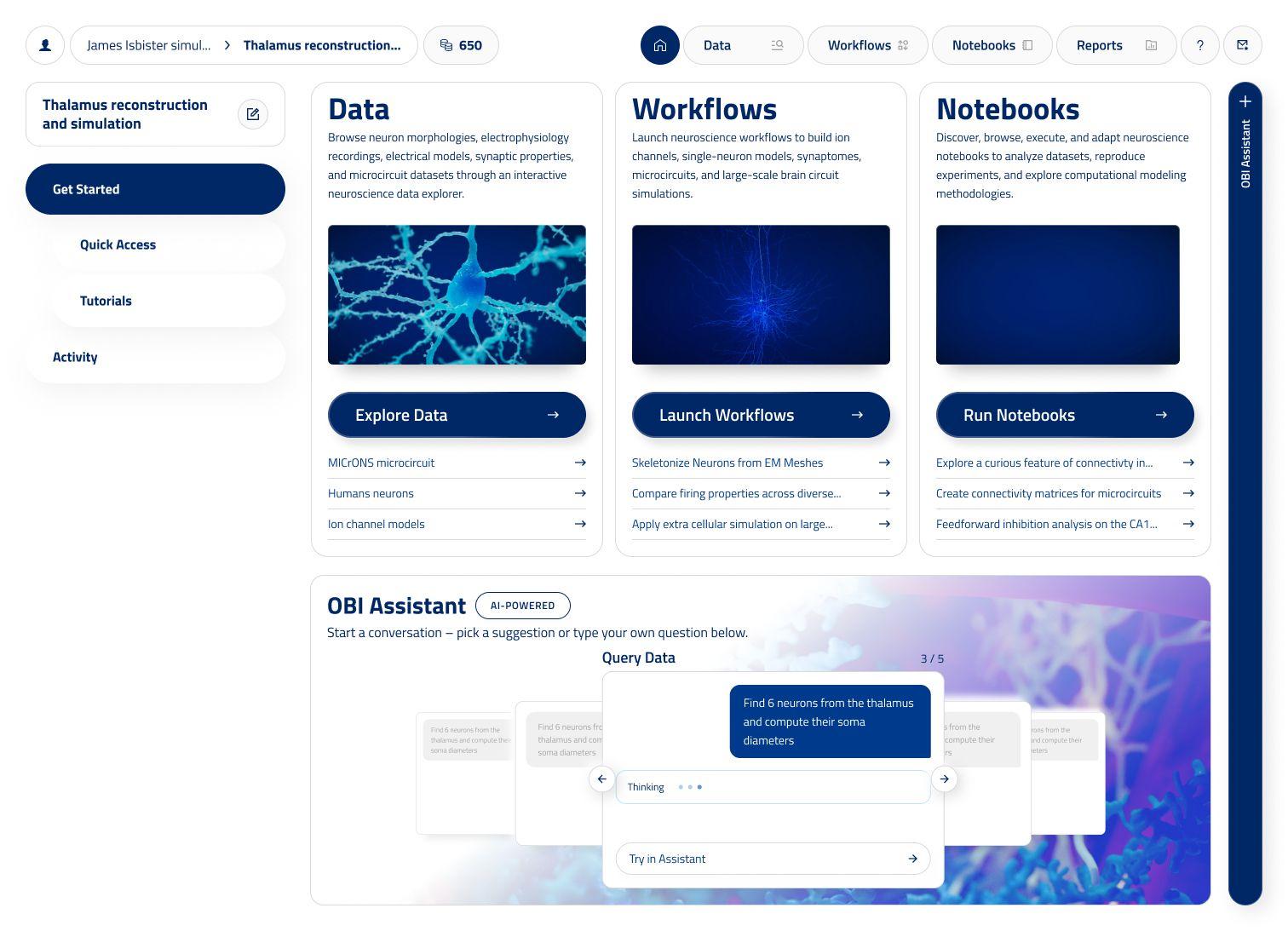
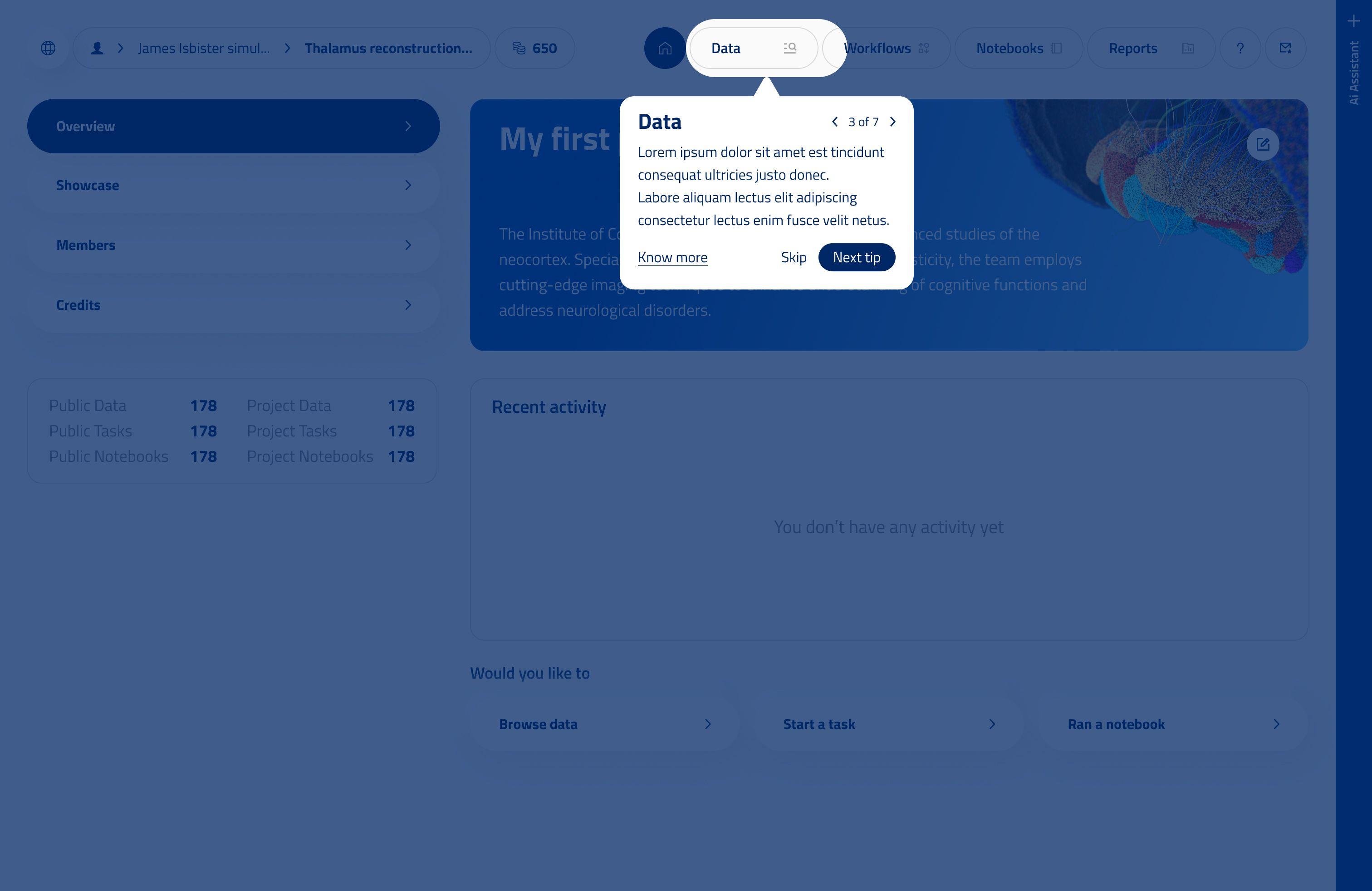
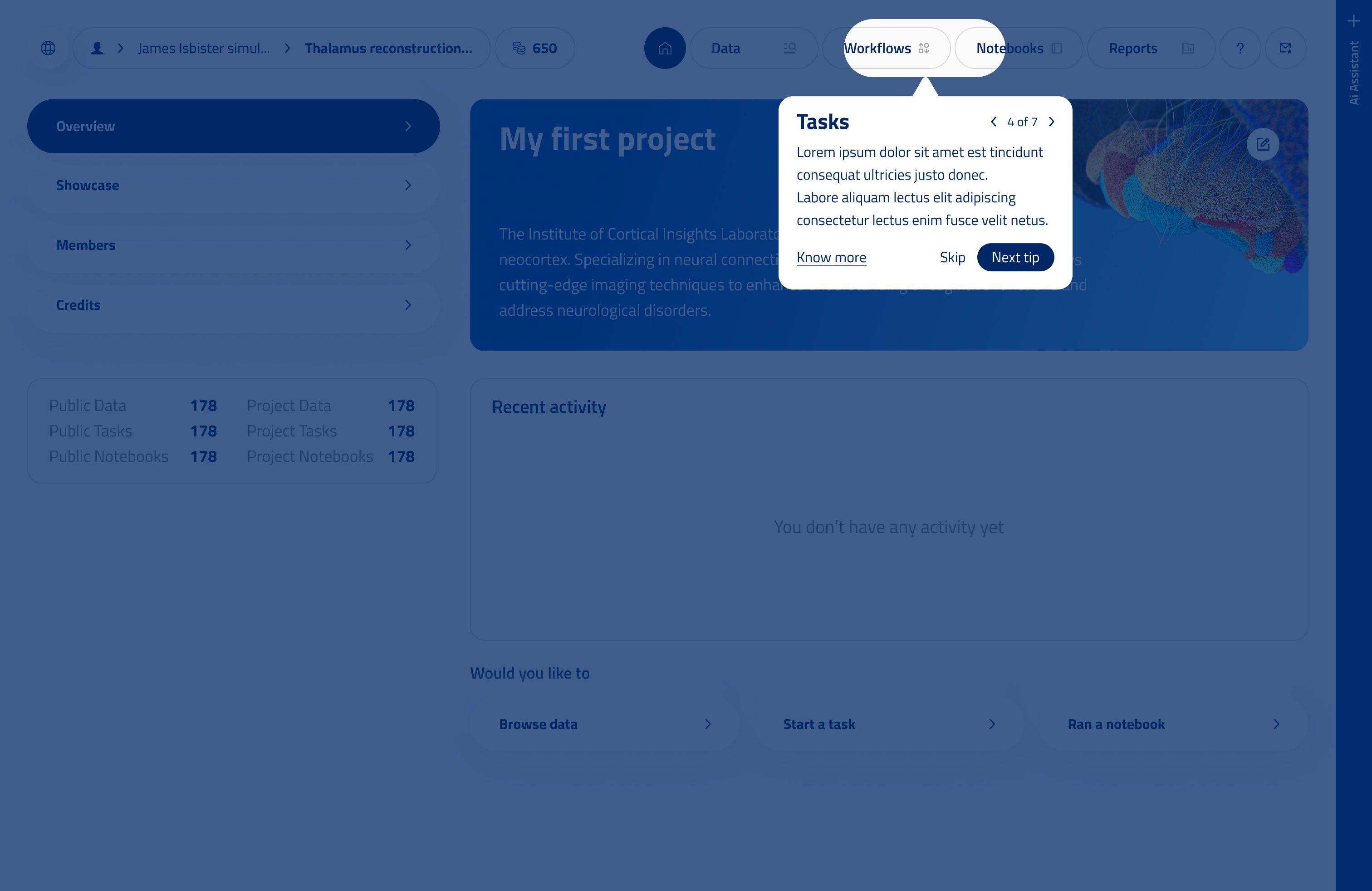
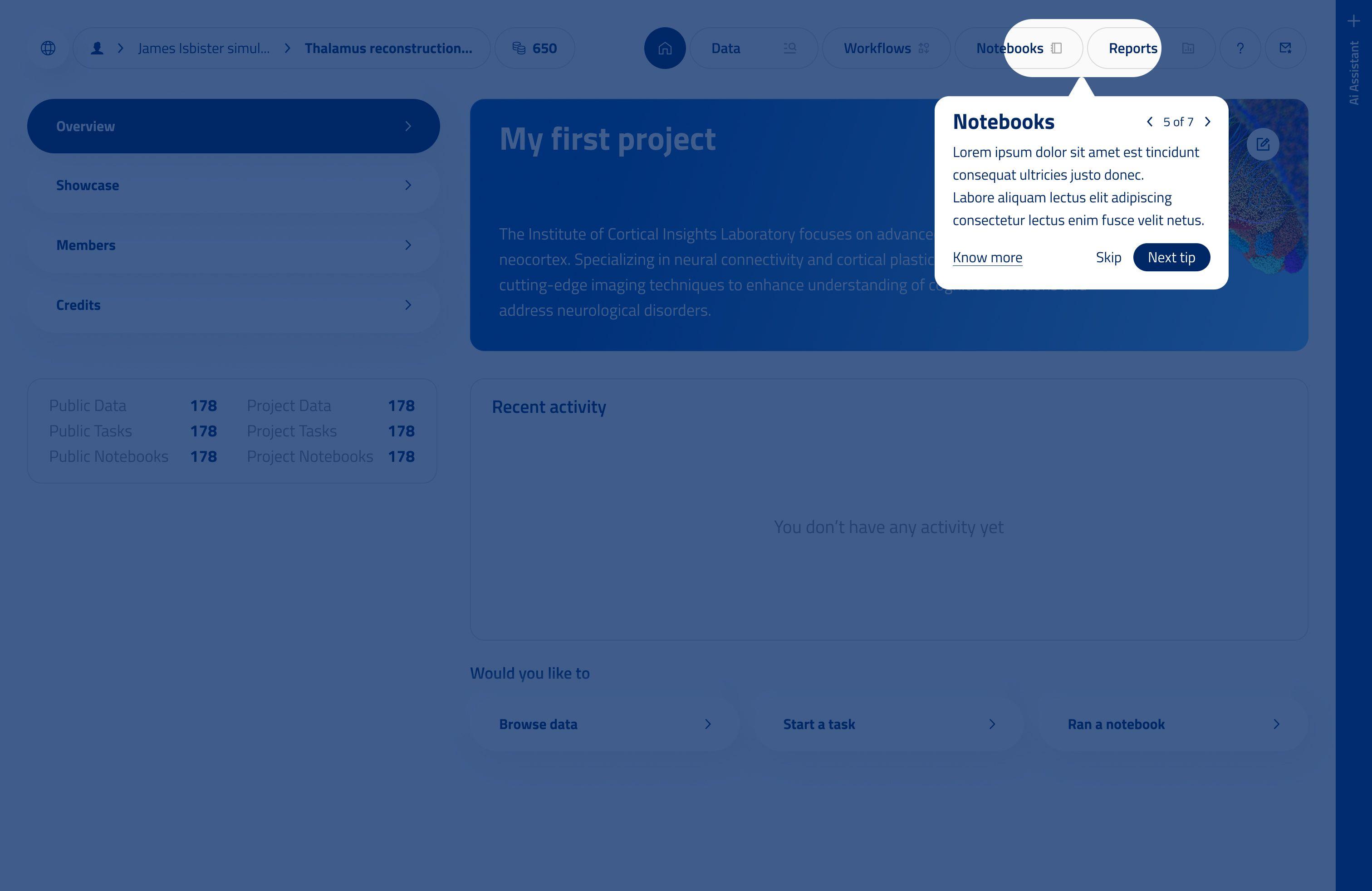
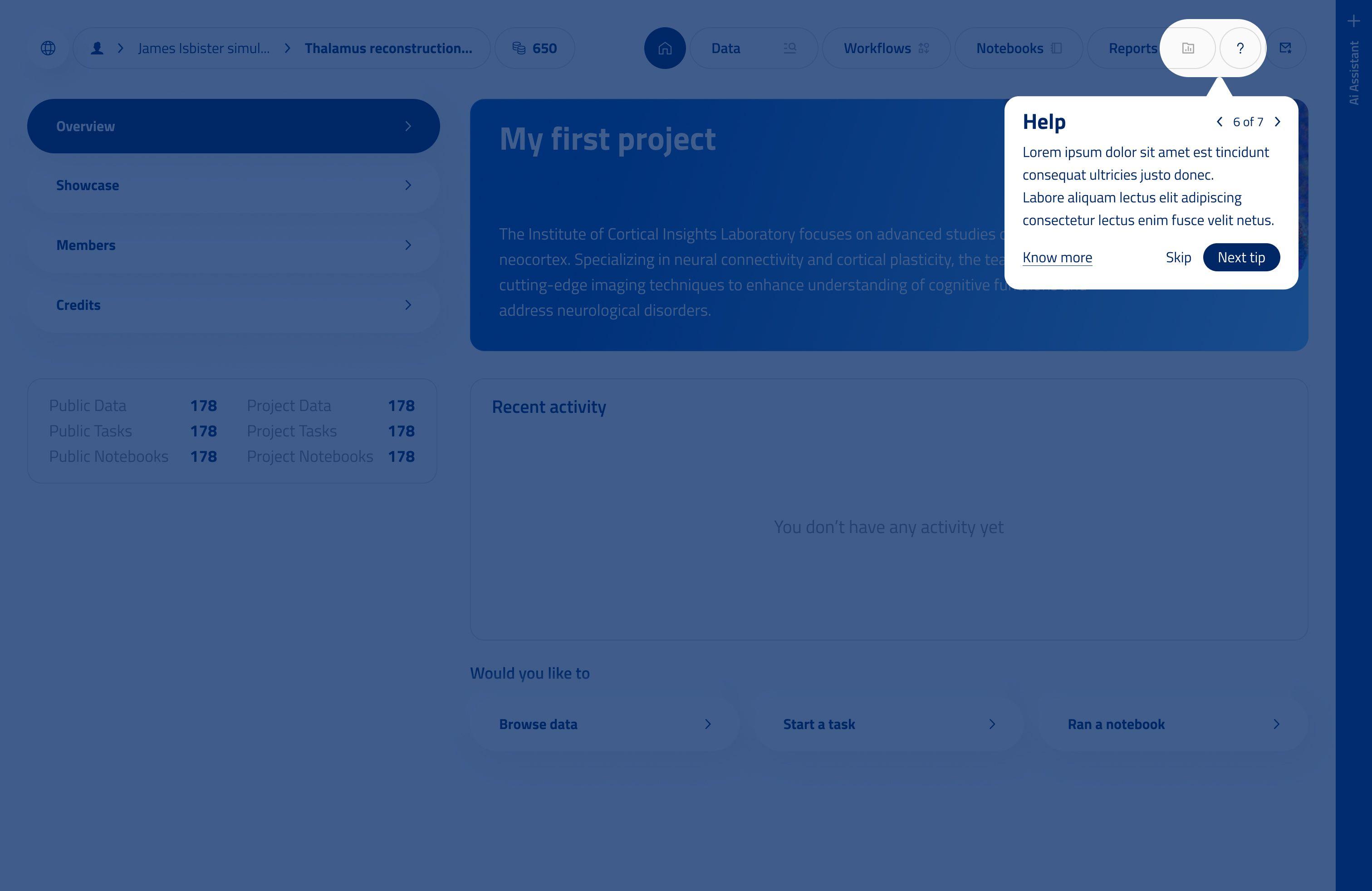
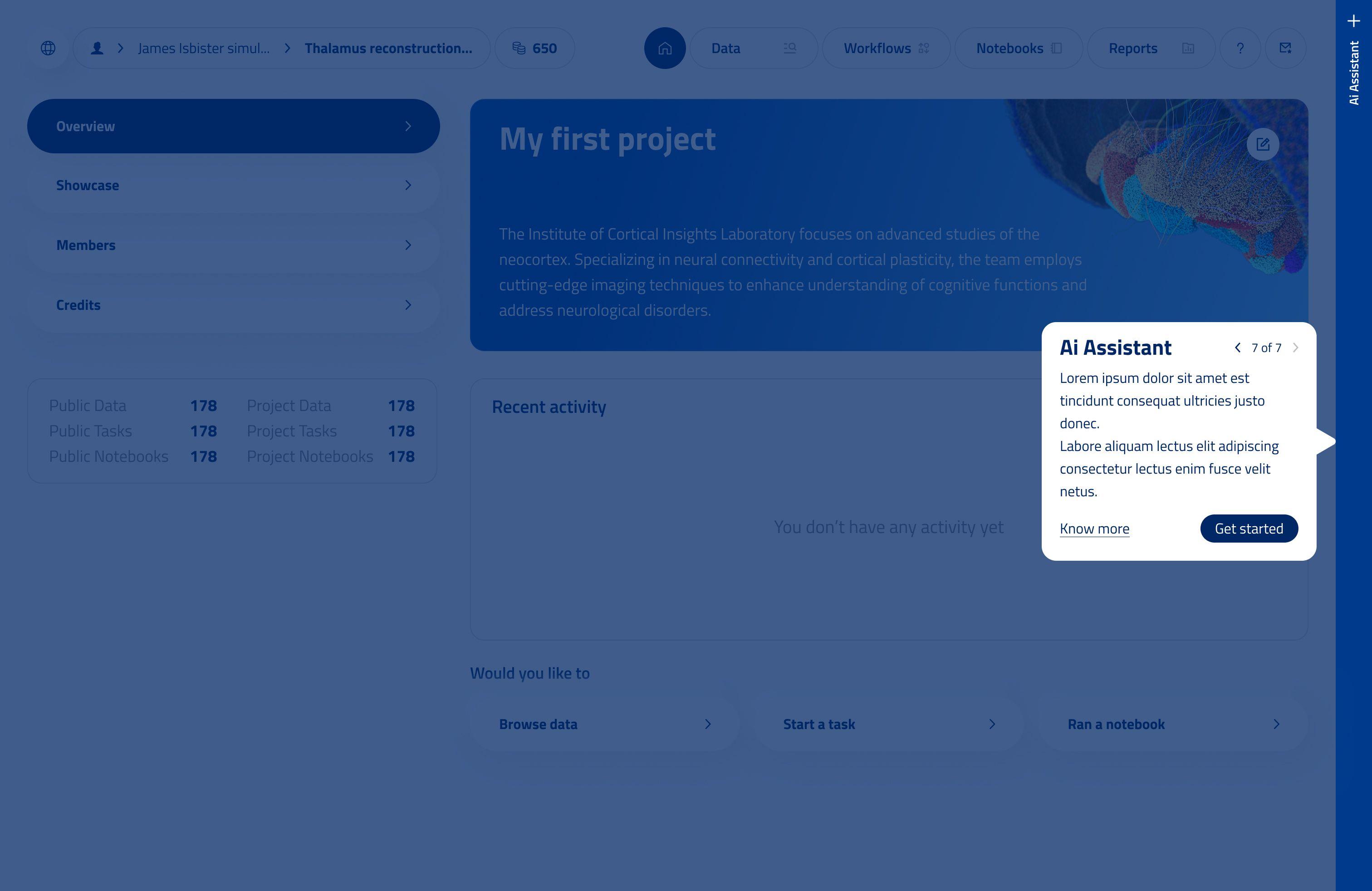
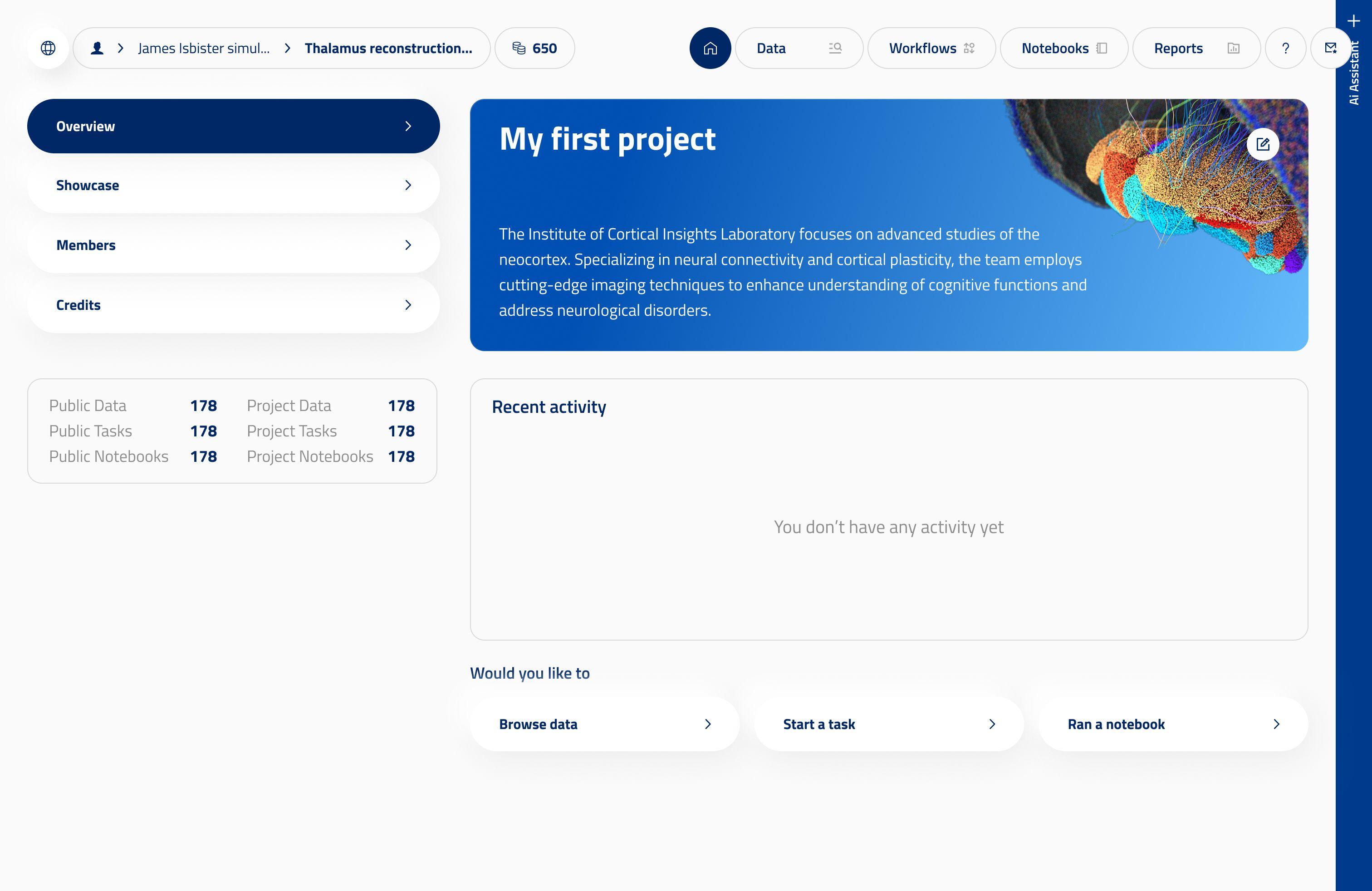
With James, we fought to abandon Explore, Build and Simulate and to embrace a structure that does not assume any one lab. We grouped the tasks under one umbrella, Workflows. Build and simulate are still there, next to what users had been asking for: data processing, circuit extraction, neuron morphology skeletonization.
We refused to keep the three entry points, backed by dozens of interviews showing how broad those concepts were and how sceptical users were about what they meant at OBI. We also refused to offer free access, which many scientists saw as the cause of the low acquisition. The interviews said otherwise: signing up for a new tool is perfectly normal. The question was "where do I start?". Scientists assumed that since users understood the science, the rest would follow. The skeleton of the app had to be agnostic, to welcome fresh users and to leave room for new features.
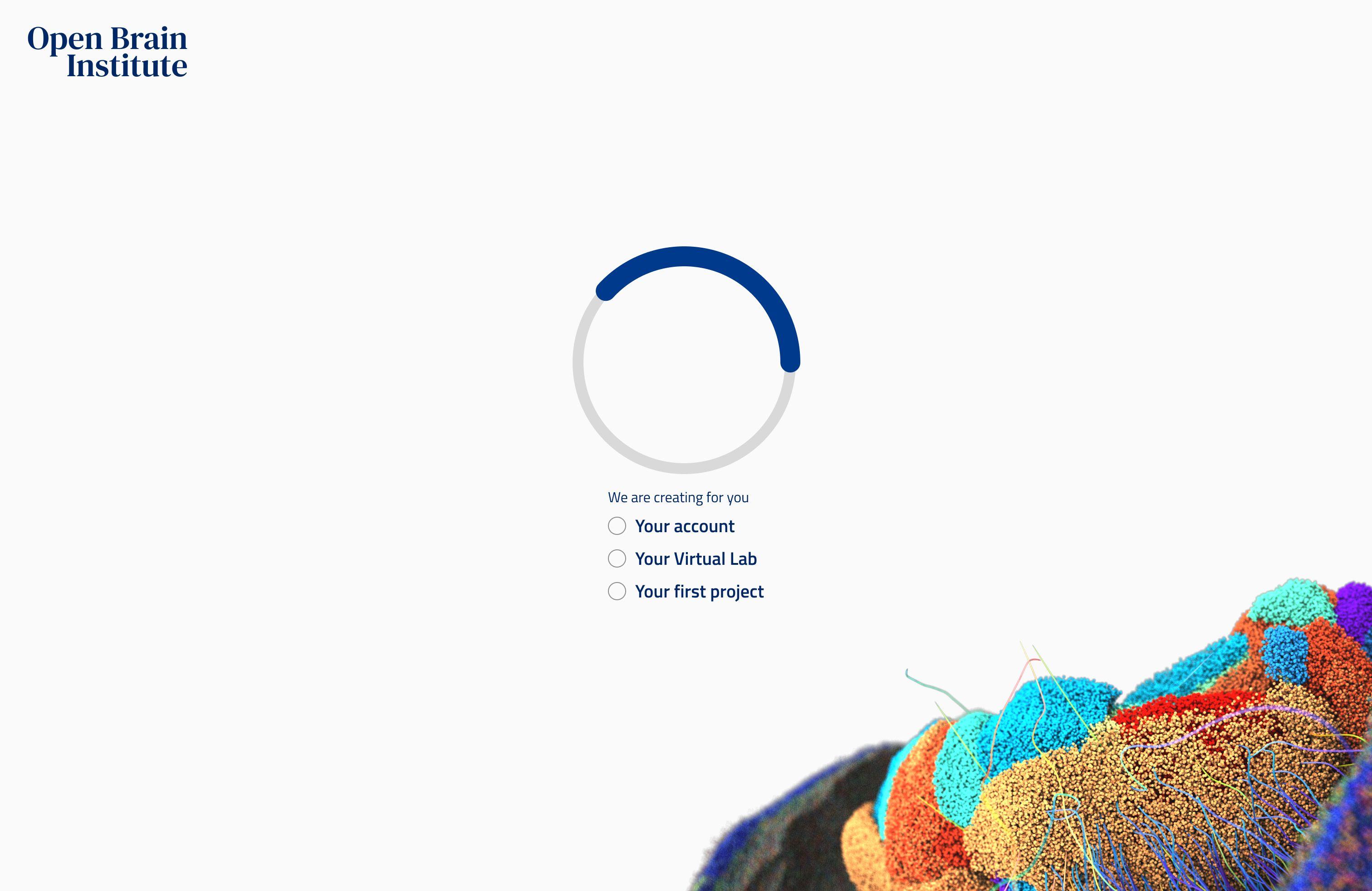
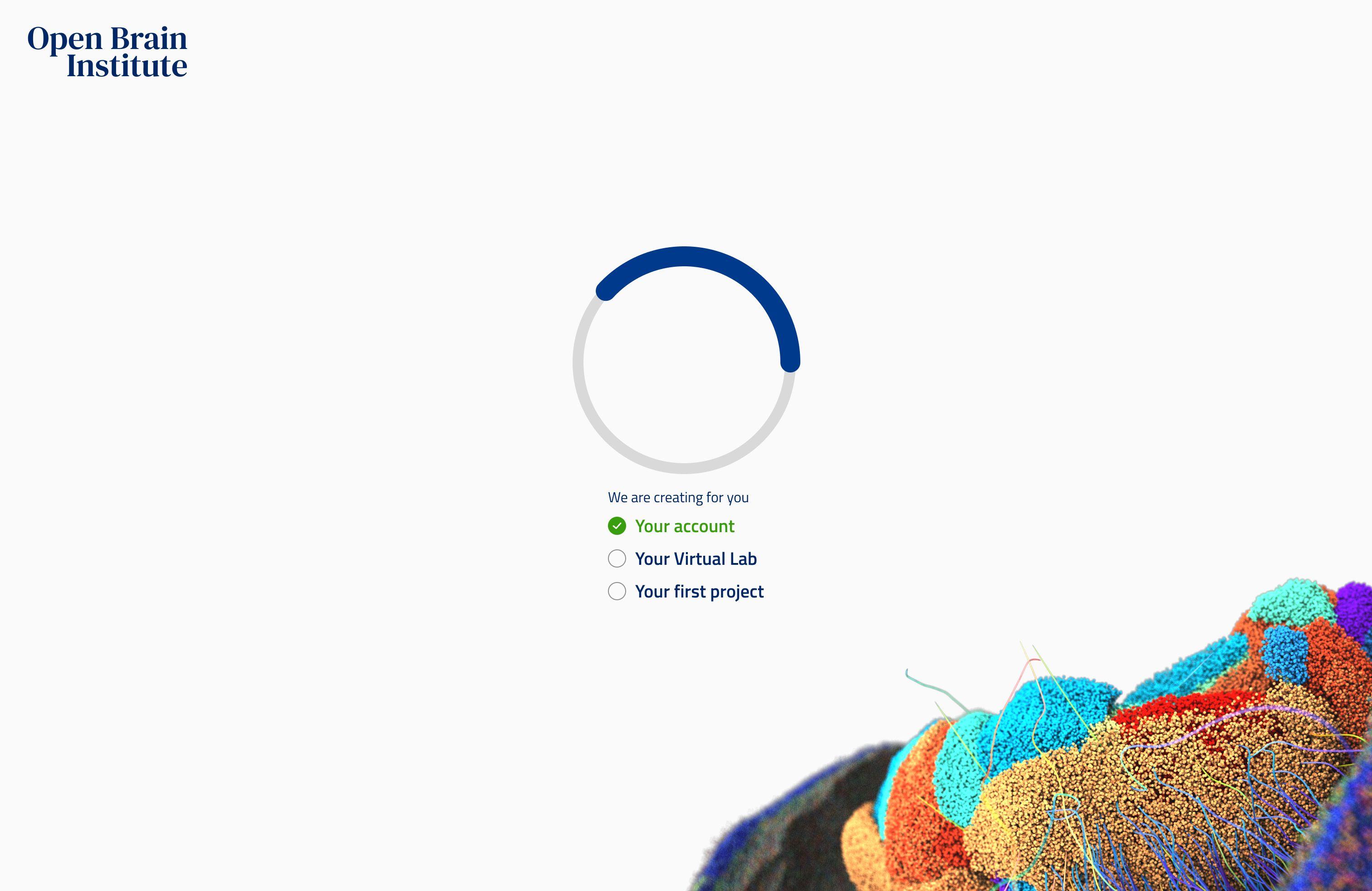
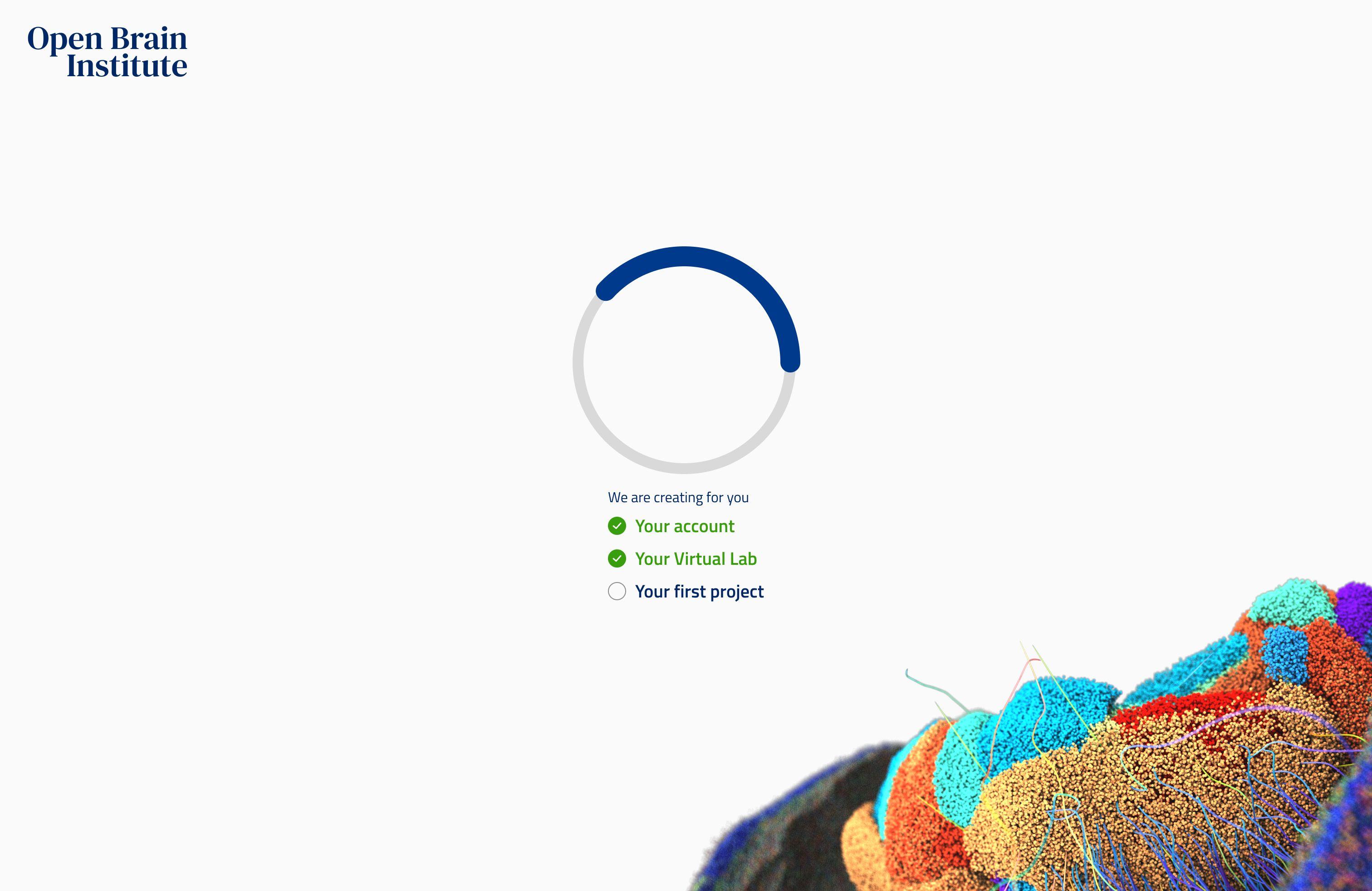
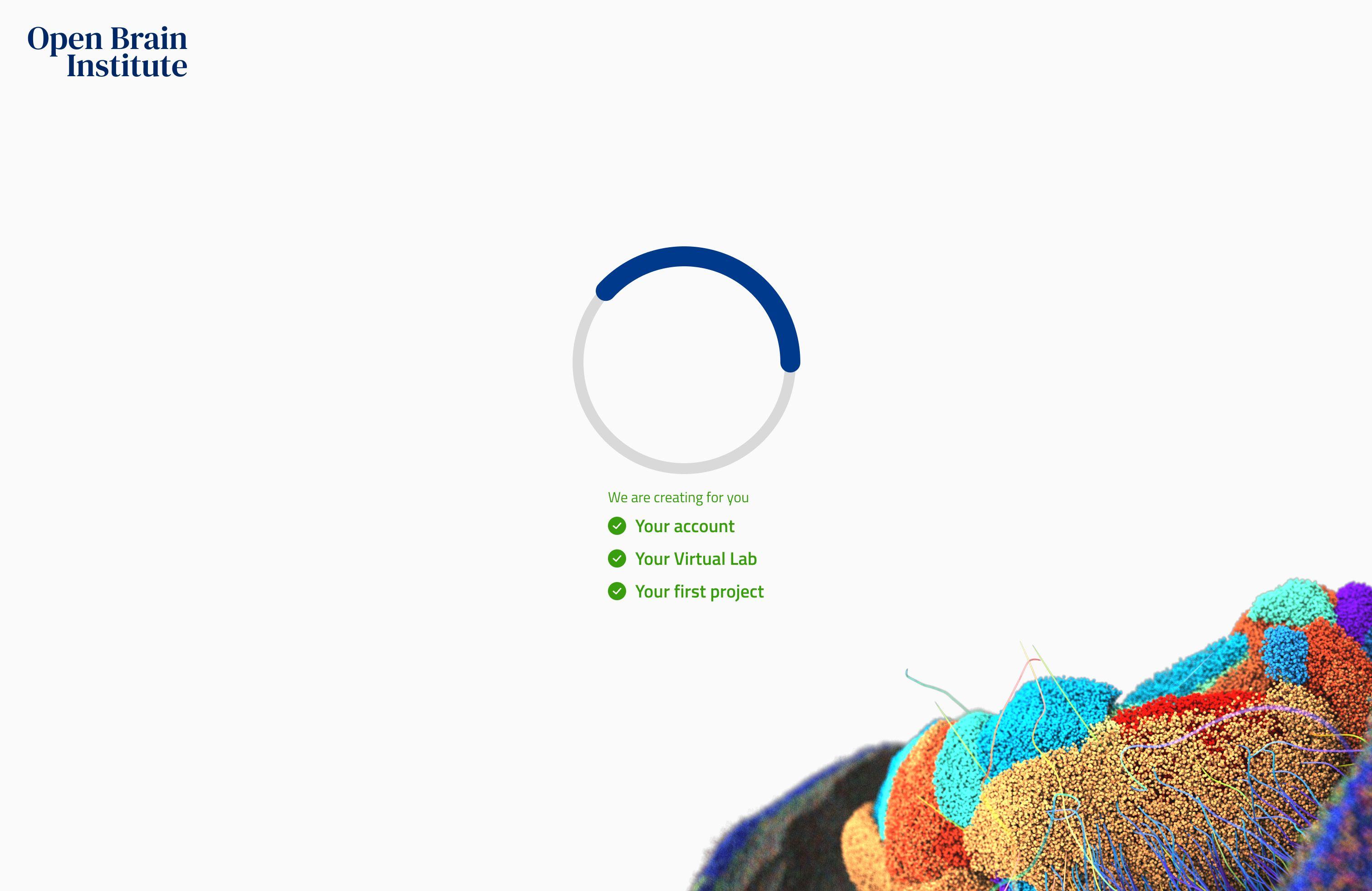
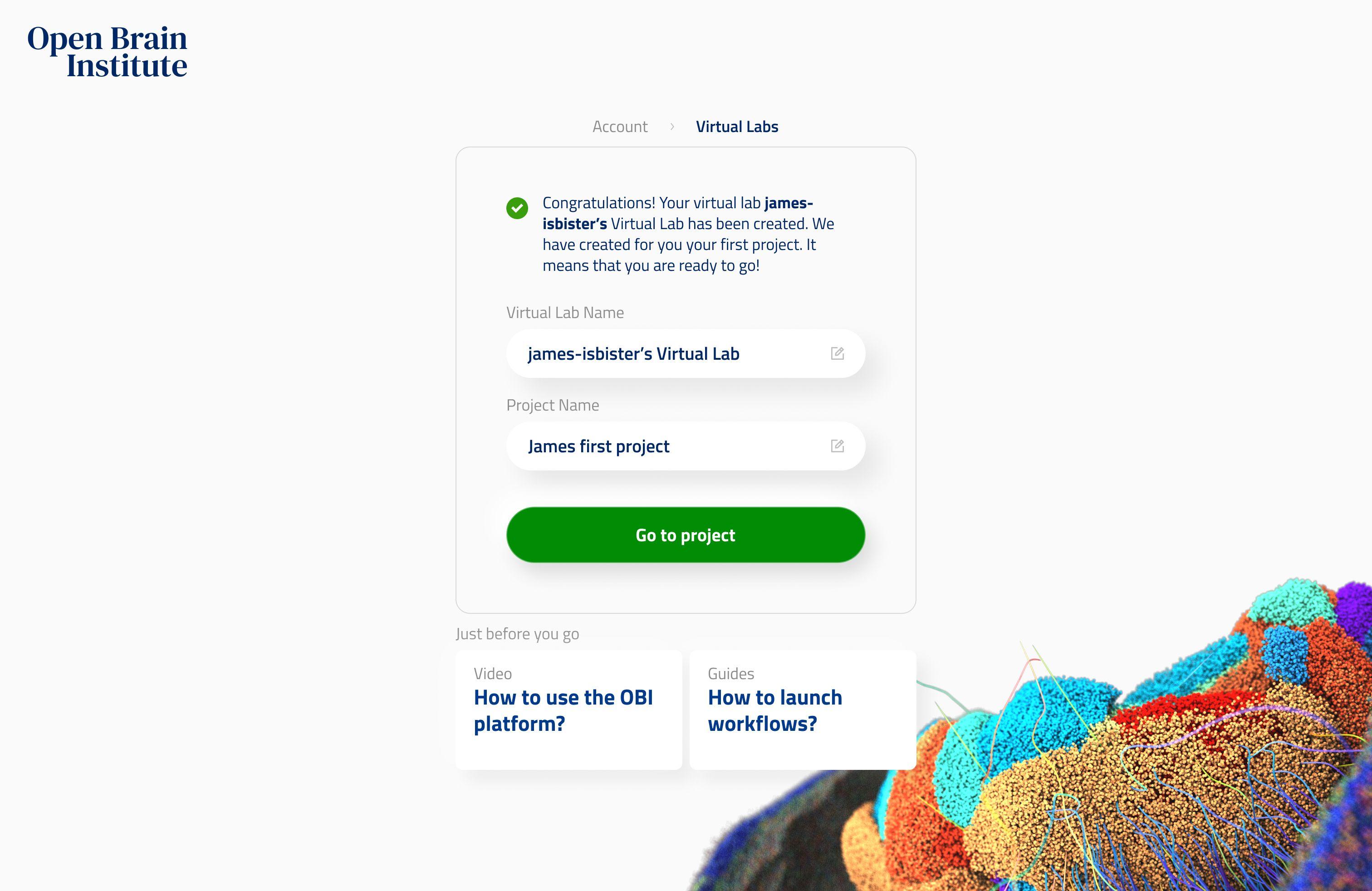
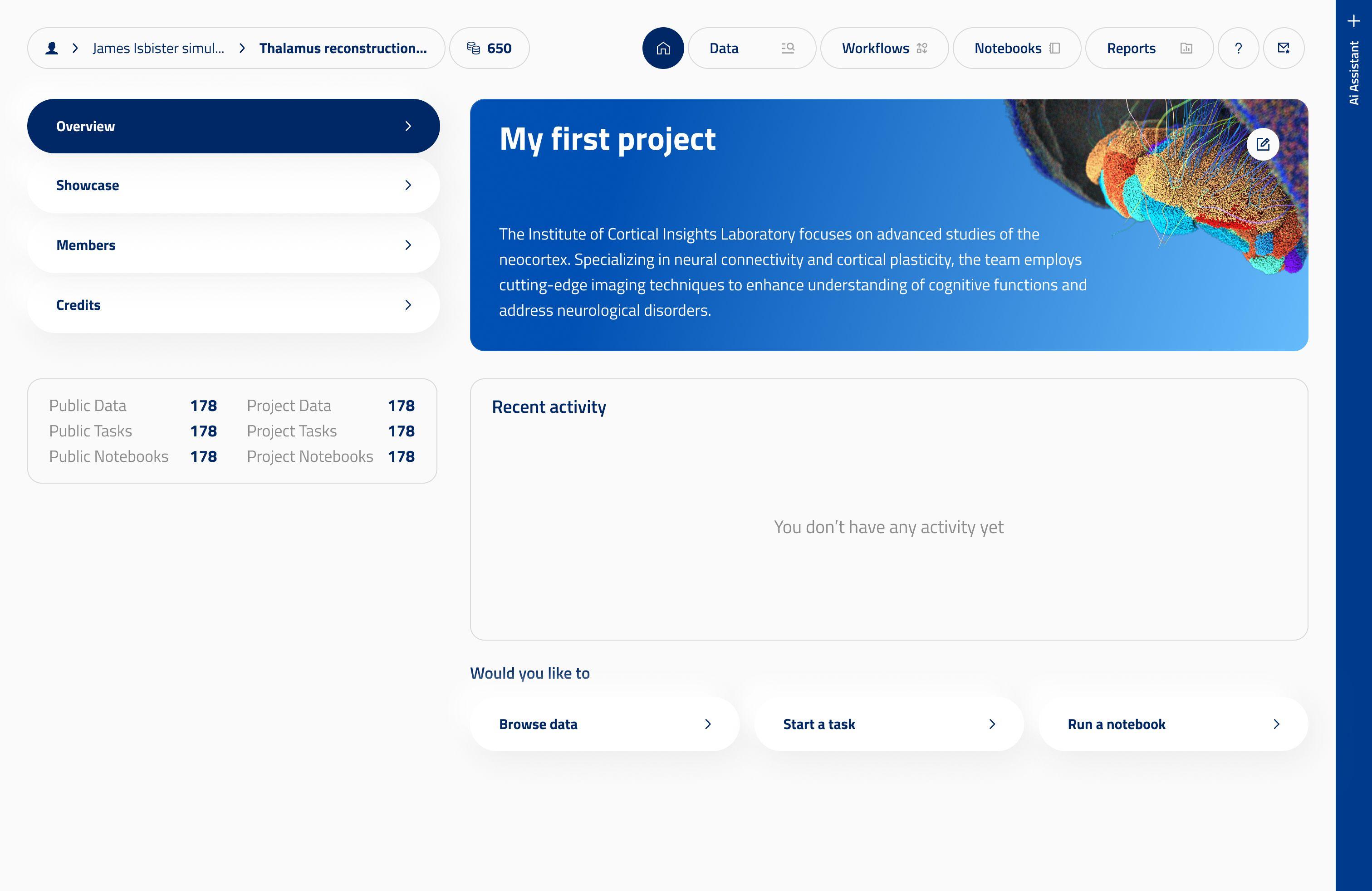
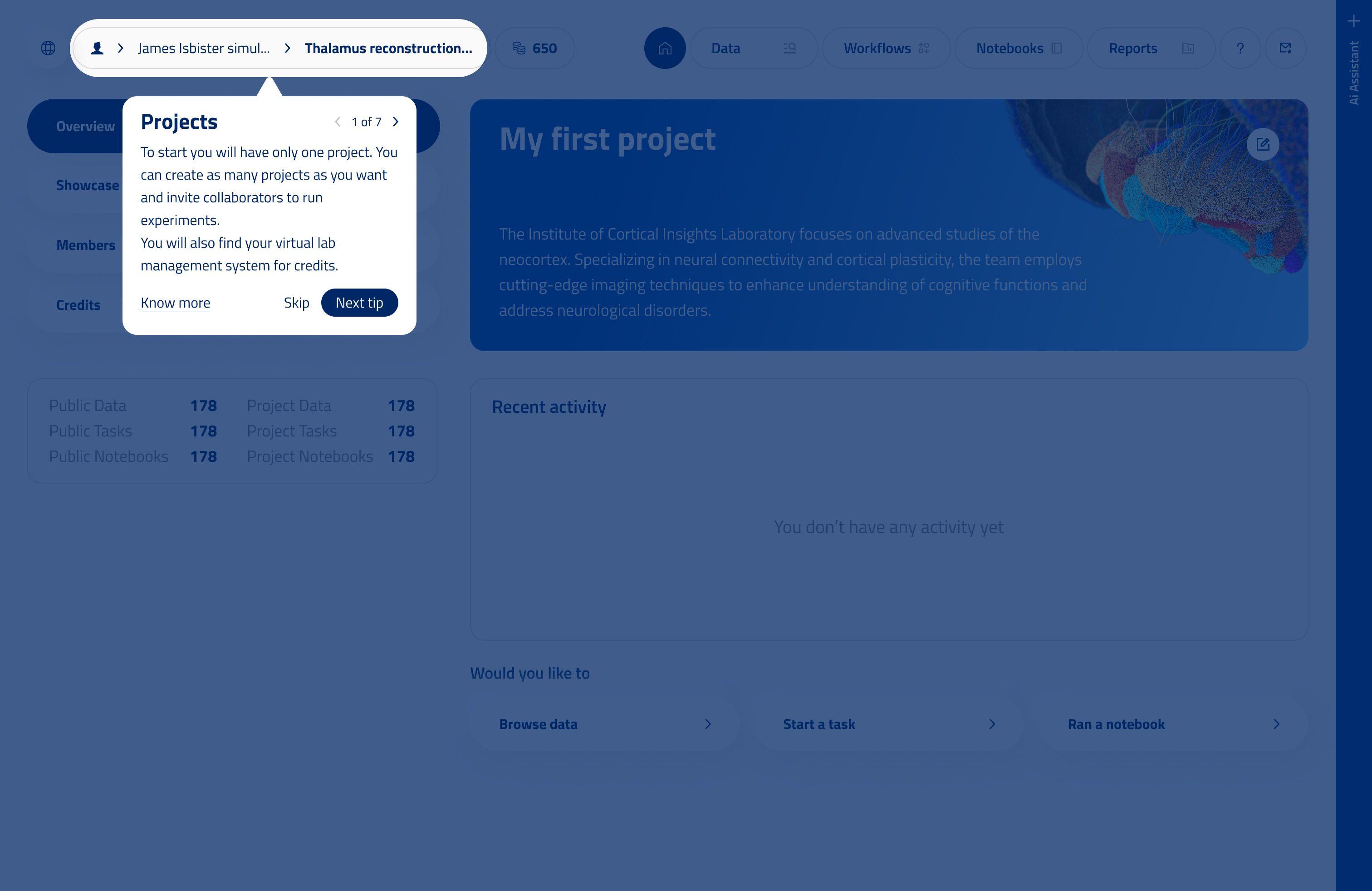
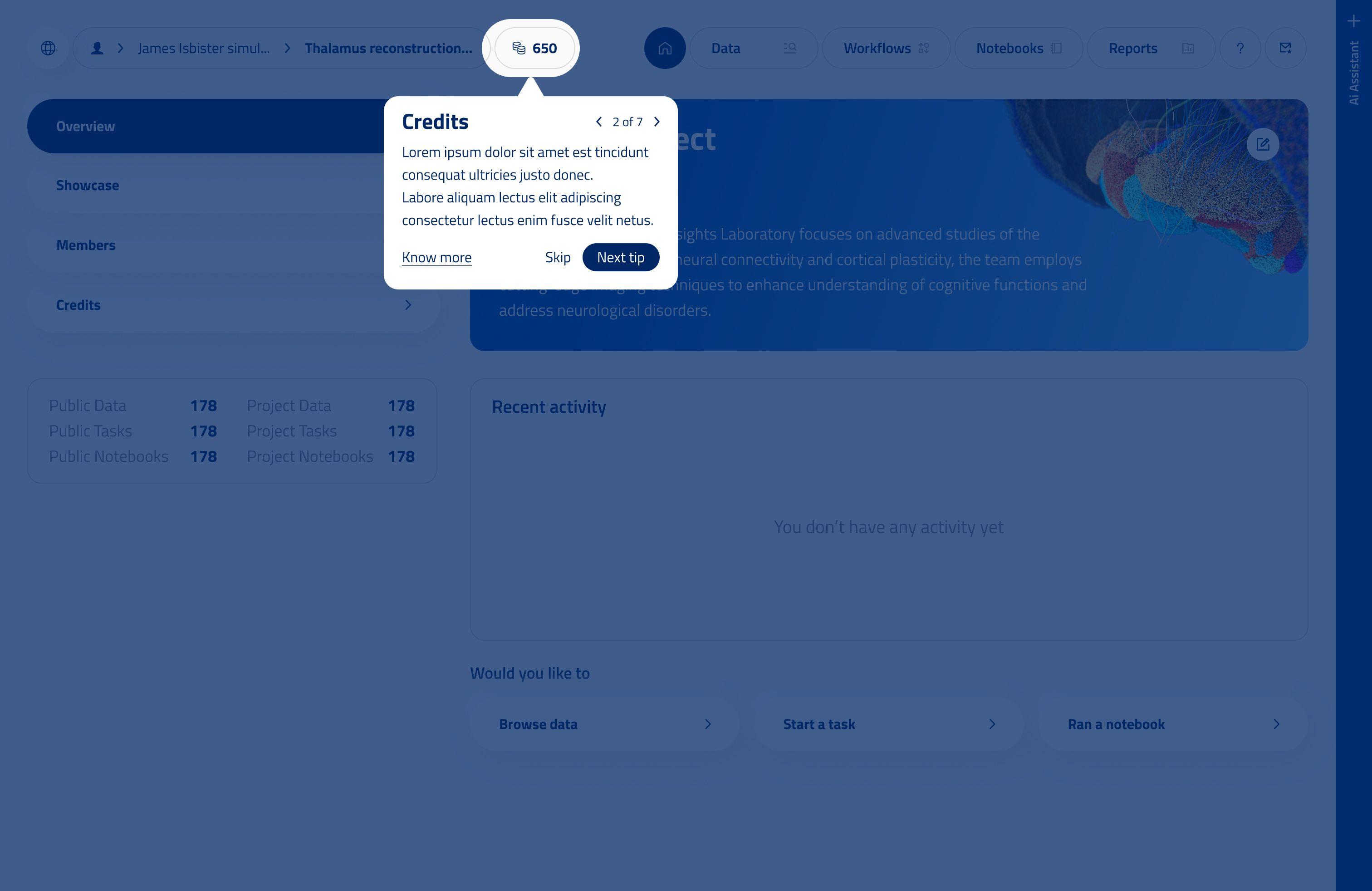
01 / 19
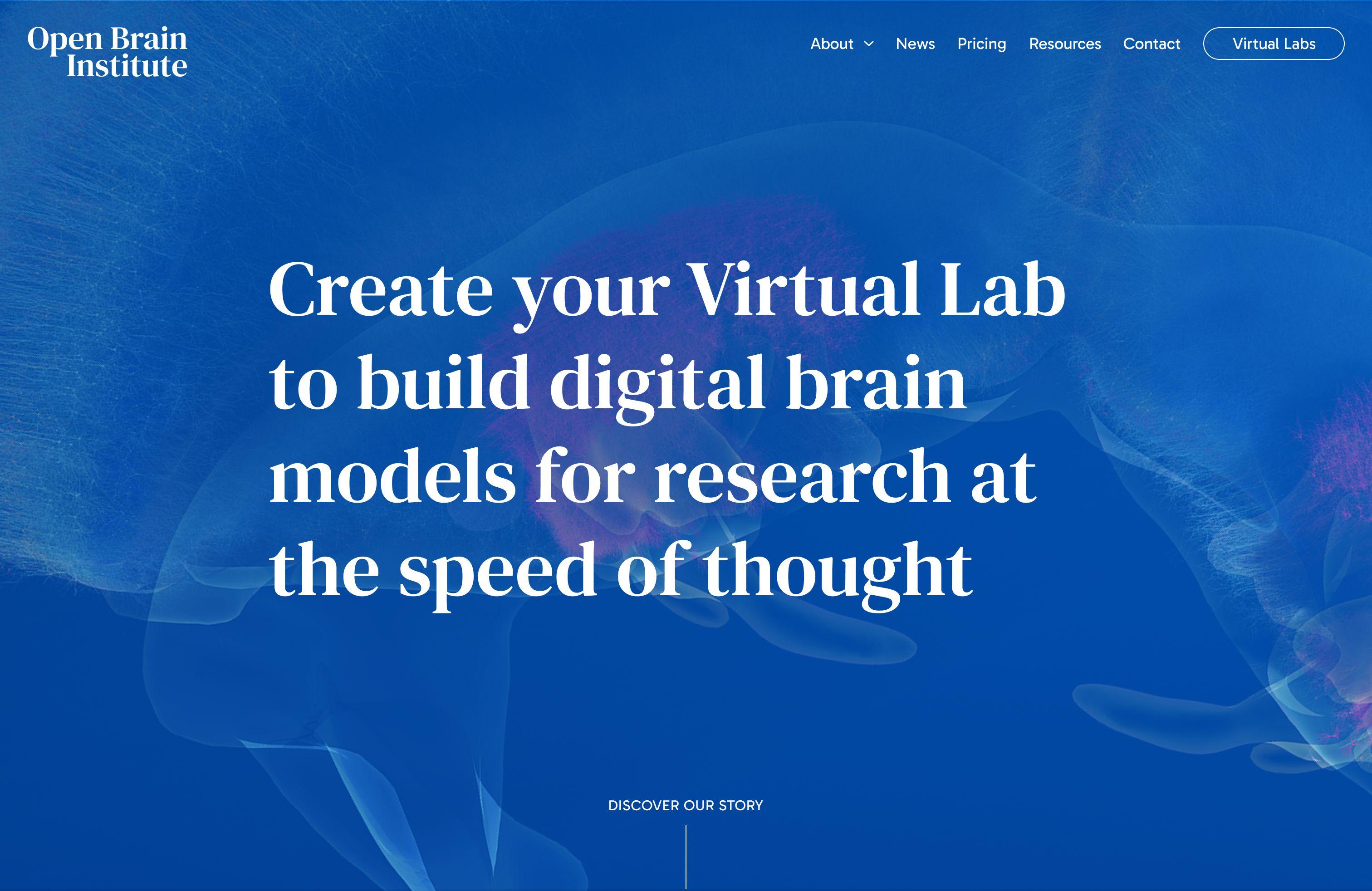
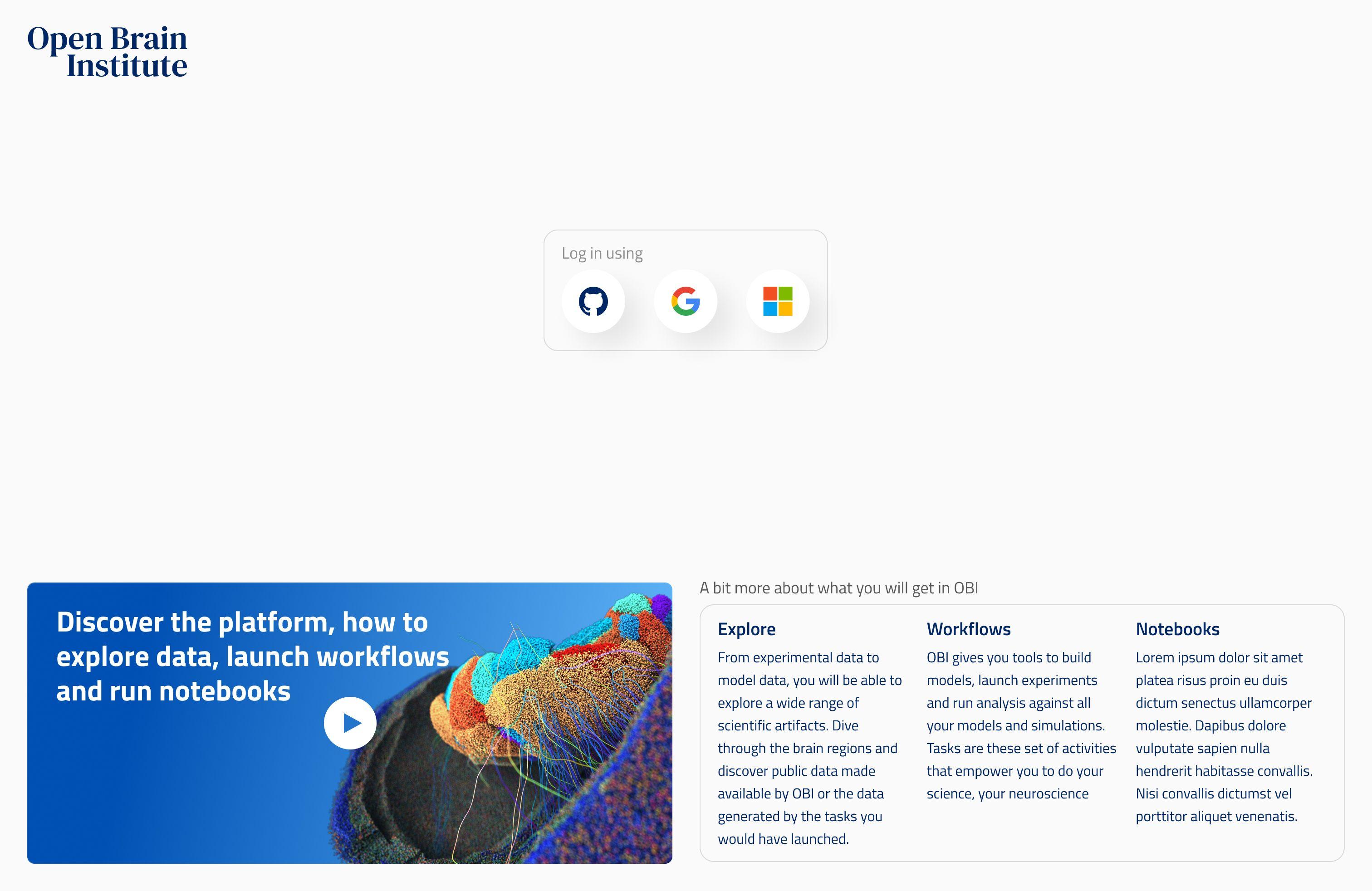
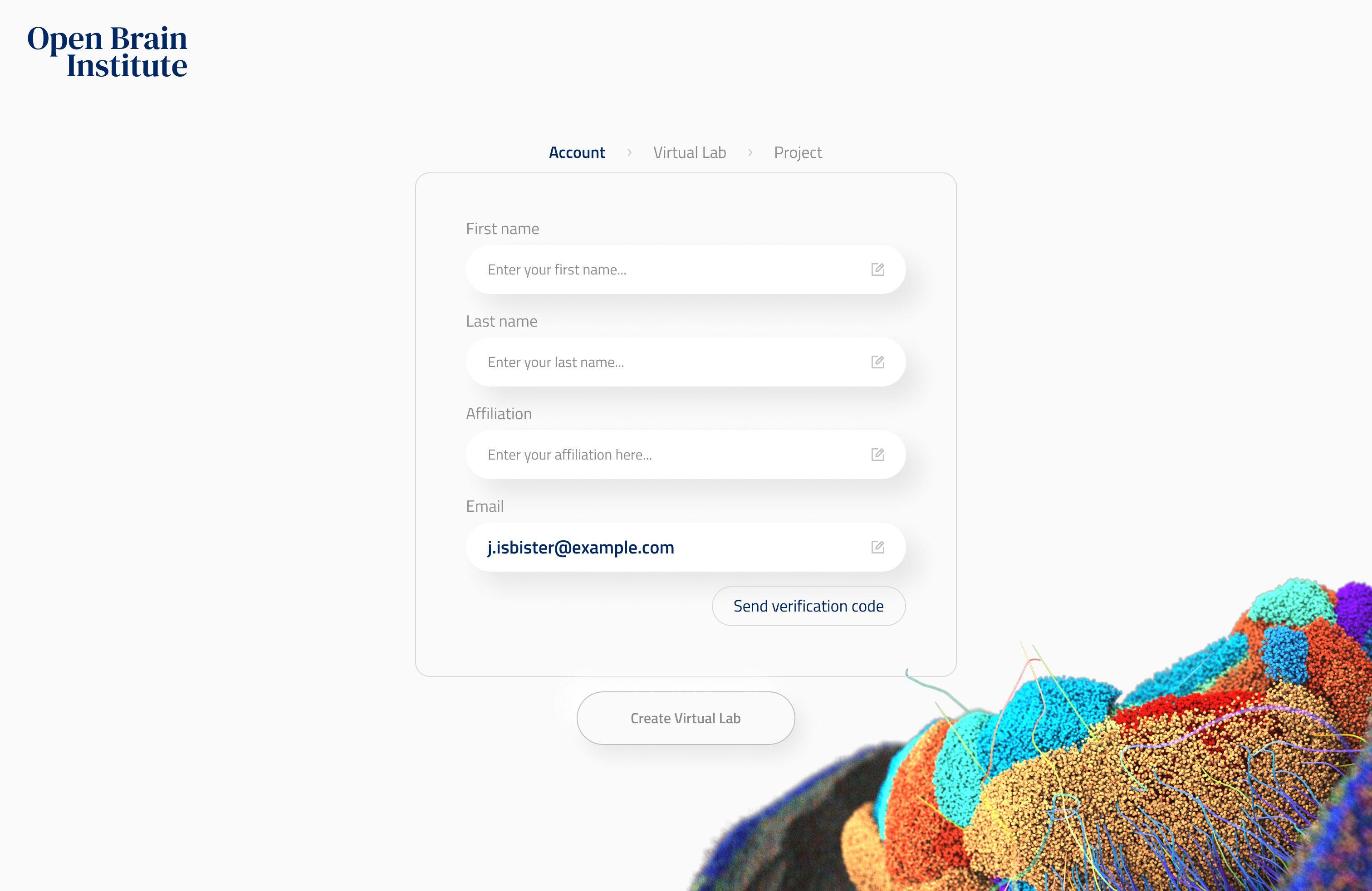
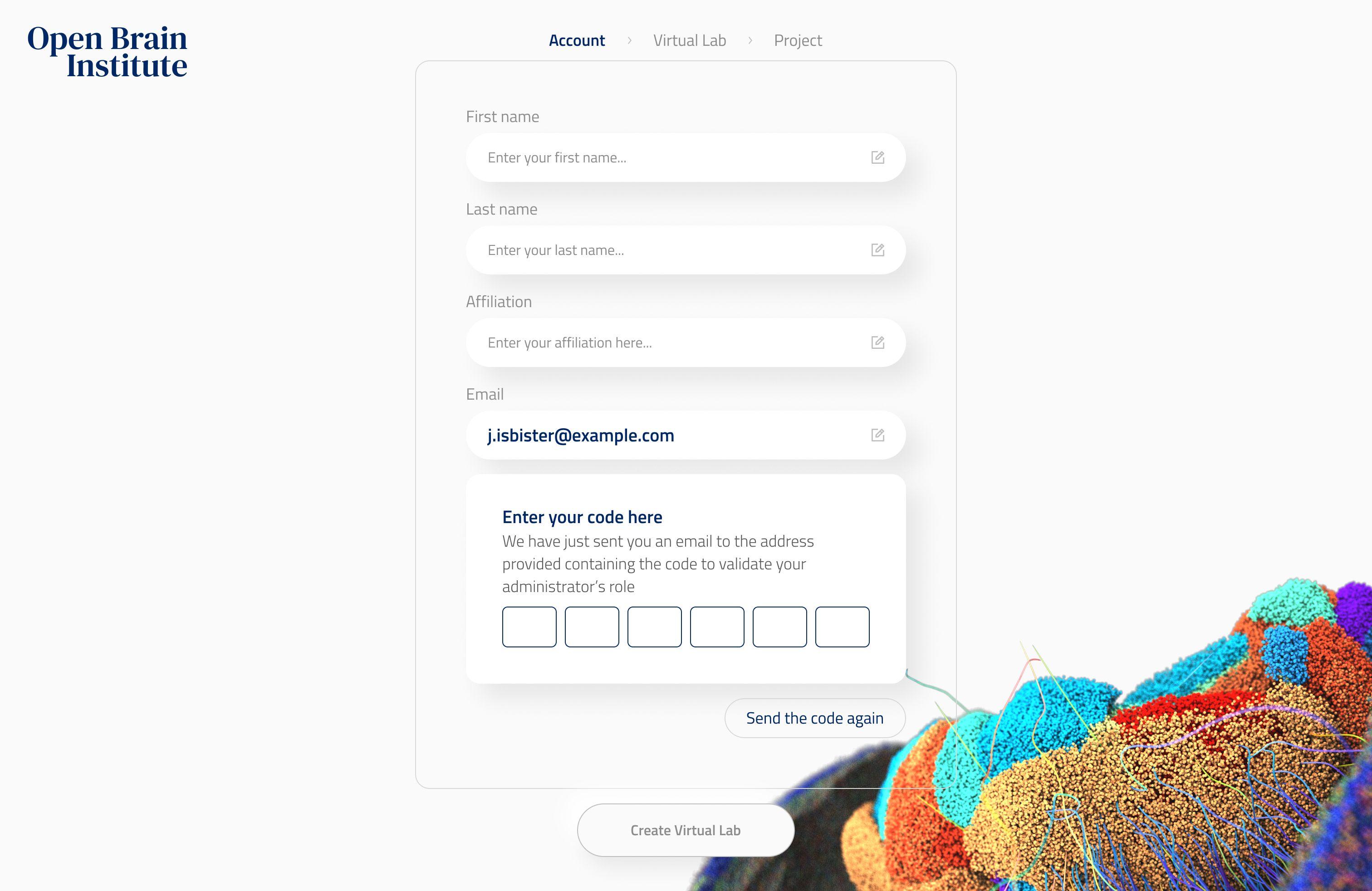
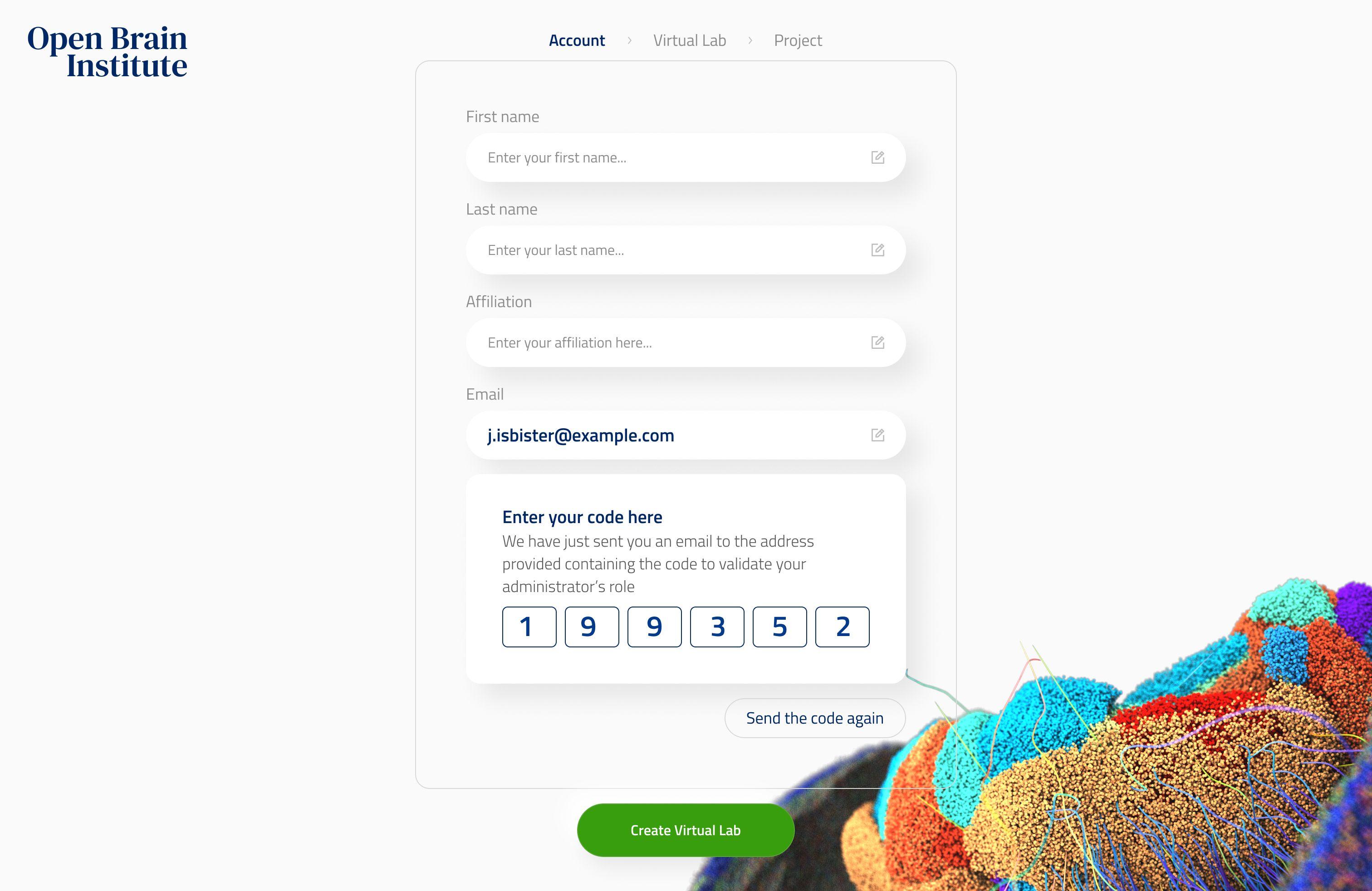
The website invites you to create your Virtual Lab
04
실제 영향
After the redesign of the UX and the architecture, science-related questions in the chat went from 4–8 a day, all virtual labs combined, to more than 462 a day. And users no longer stopped at the home of a project: the number of users really exploring the whole application grew by 72%. James was delighted: he saw neuroscience activities flow into each other instead of living in silos.
In hindsight, we would force an onboarding: bring together 3 to 4 neurons, discover the exploration and curation tool, build a microcircuit and launch a simulation campaign, before landing on an open home where every activity can be launched.
하이라이트
세 가지 핵심 과제와 그 뒤의 결정, 그리고 그 결정이 제품을 어떻게 만들었는지를 더 가까이에서 살펴봅니다.