Patek Philippe
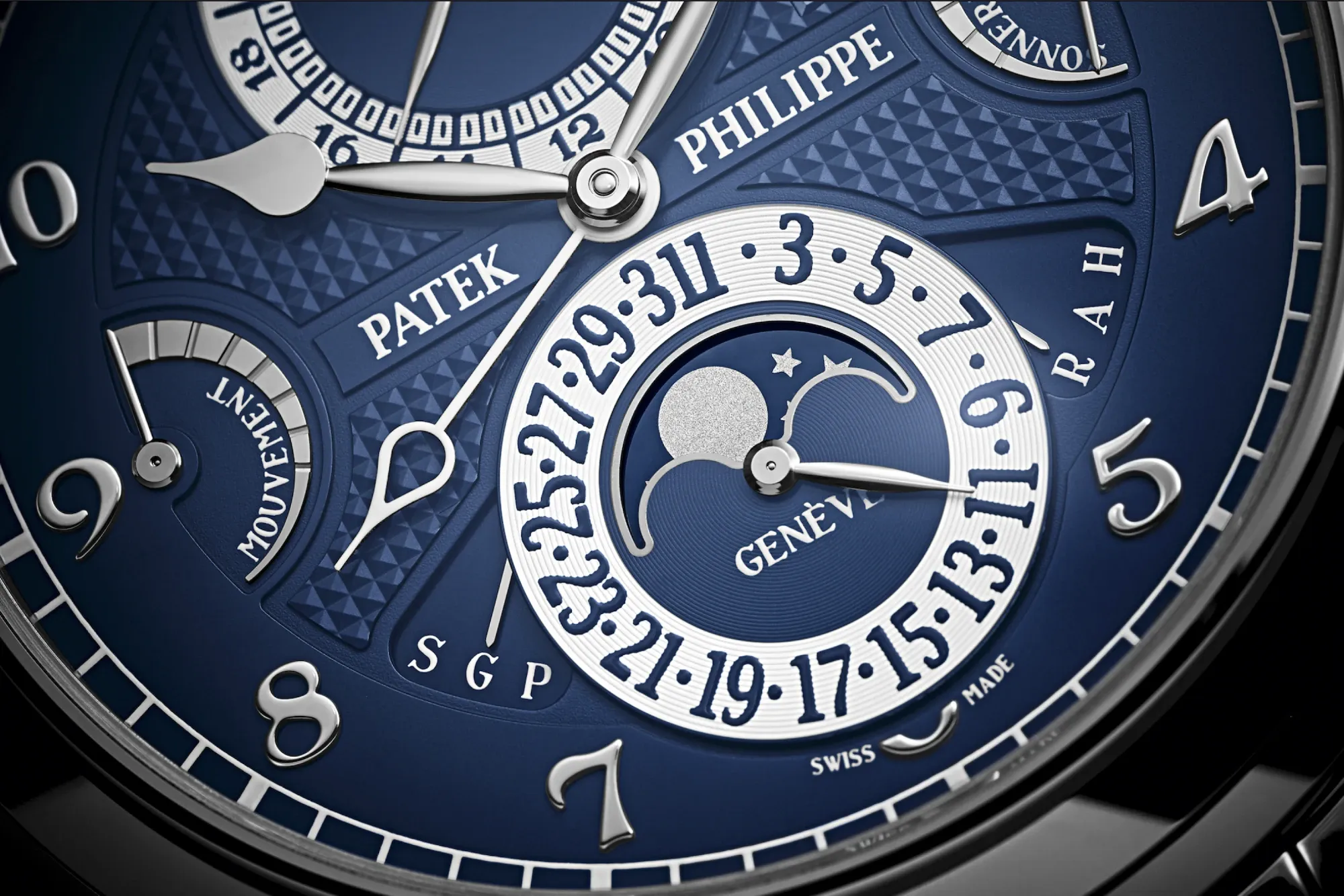
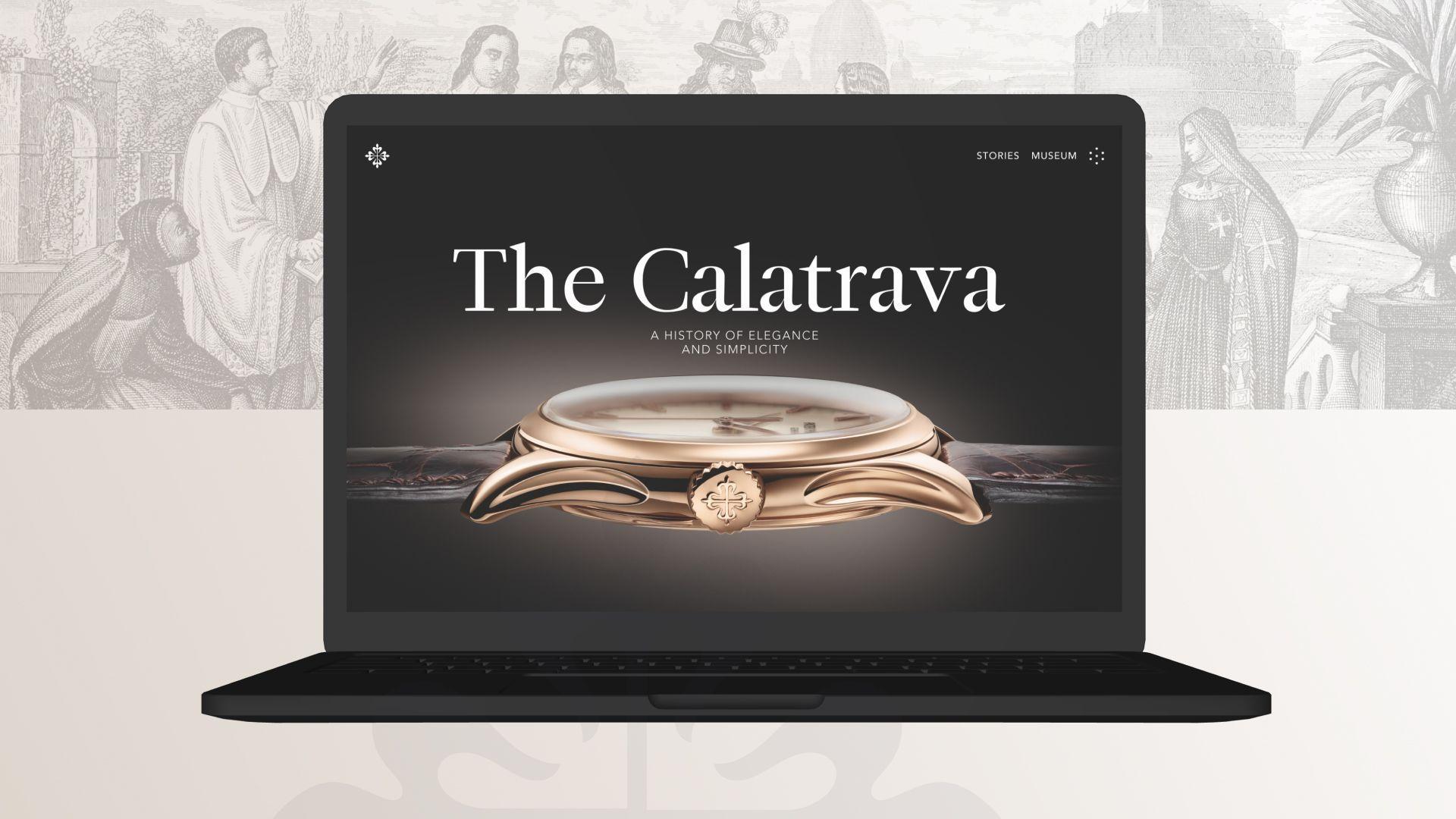
A website rebuilt around each watch’s history and mechanics, and a digital museum
Role
Web Design · 3d Modeling · Branding
My role and context
- Role
- Product designer at the agency Patek Philippe hired. On the website redesign, I led a small team on Patek Philippe's side running UX research with the brand's clients, and ran my own research on the wider watchmaking audience. I also led the strategy and built the prototypes for the Patek Philippe digital museum.
- Context
- Agency project for Patek Philippe, 2021.
The people
Clients and enthusiasts who care about how a watch is made, and where it comes from.
How we learned
- 2WorkshopsTo prepare Patek Philippe's team to interview the brand's clients.
- 68Client interviewsRun in-house by Patek Philippe, as the research is highly confidential.
- 375Survey answersFrom two targeted surveys on two platforms for watch enthusiasts.
- 42Brands analysedThe competition, in watchmaking and luxury.
- 13Market studiesOn how the watch and luxury markets are changing.
What they needed
Two findings shaped the work. Only a tiny share of people expected to buy a watch online. And the audience wanted two things at once: the technical side of watchmaking, and a deep dive into the brand's history. The rest of the findings stay with Patek Philippe, at the client's request.
The strategy
Less of a website, more of a platform.
The decision
The marketing team wanted to keep the website's commerce showcase: it was their core request. We kept it, but structured the project less as a website and more as a platform. The commerce pages stayed, moved to the back, and became secondary information about each watch.
What we recommended
- Watch pages
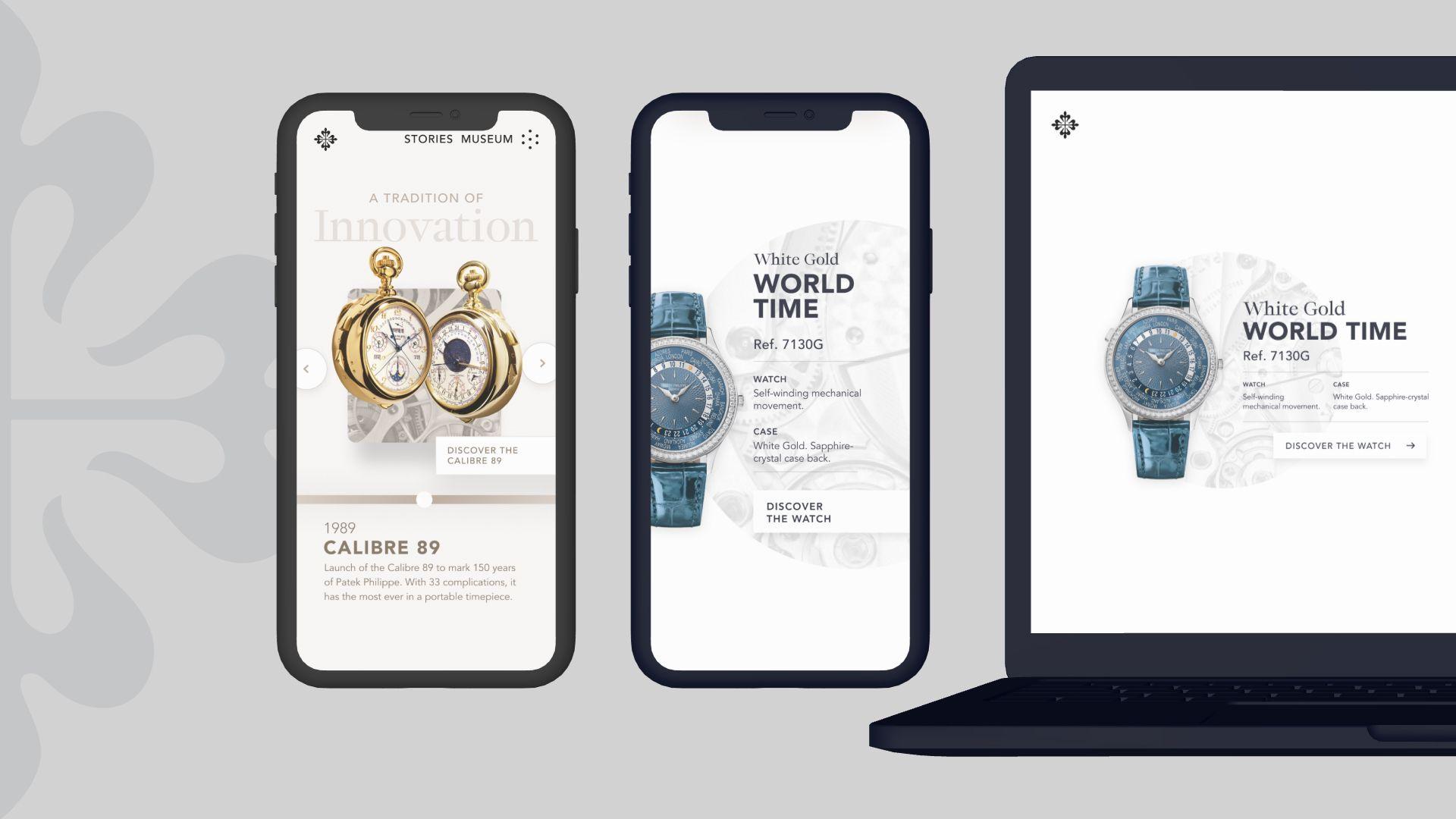
- A custom page for each model, starting with its place in history and in today's watchmaking: what sets it apart from current models of other brands, and from other Patek Philippe watches.
- 3D
- Not one more 3D view of the watch: 3D for the mechanical parts unique to Patek Philippe, the ones connoisseurs talk about.
- History
- The rest of the architecture built around history, to understand the brand's intimacy and its exclusive relationship with its clients.
- Commerce
- Kept, as the marketing team asked, as secondary information about each watch.
- Exclusive access
- Defined with the client to take the platform further from commerce: codes given to certain clients unlock parts of the product pages.
Standing firm
Moving commerce to the back was hard for the client to accept: it felt like losing part of their audience. We backed every decision with the research, theirs and ours. Orders weren't happening online anyway, with a two-year waiting list, and pushing e-commerce would cheapen the brand. We held our position: the platform had to carry online the same excellence the brand already has through word of mouth and reputation. Like a boutique director welcoming a client, it offers a unique presentation and experience.
The work
The redesign and the digital museum, accepted with roughly 80% of the initial intent.
What shipped
The client accepted the redesign together with the digital museum. The CEO wanted to keep something more traditional, in line with other brands, so the original commerce page came a little further forward, and some experiences planned for the main product page moved to the side. Roughly 80% of the initial intent made it through.
The digital museum
- Experience
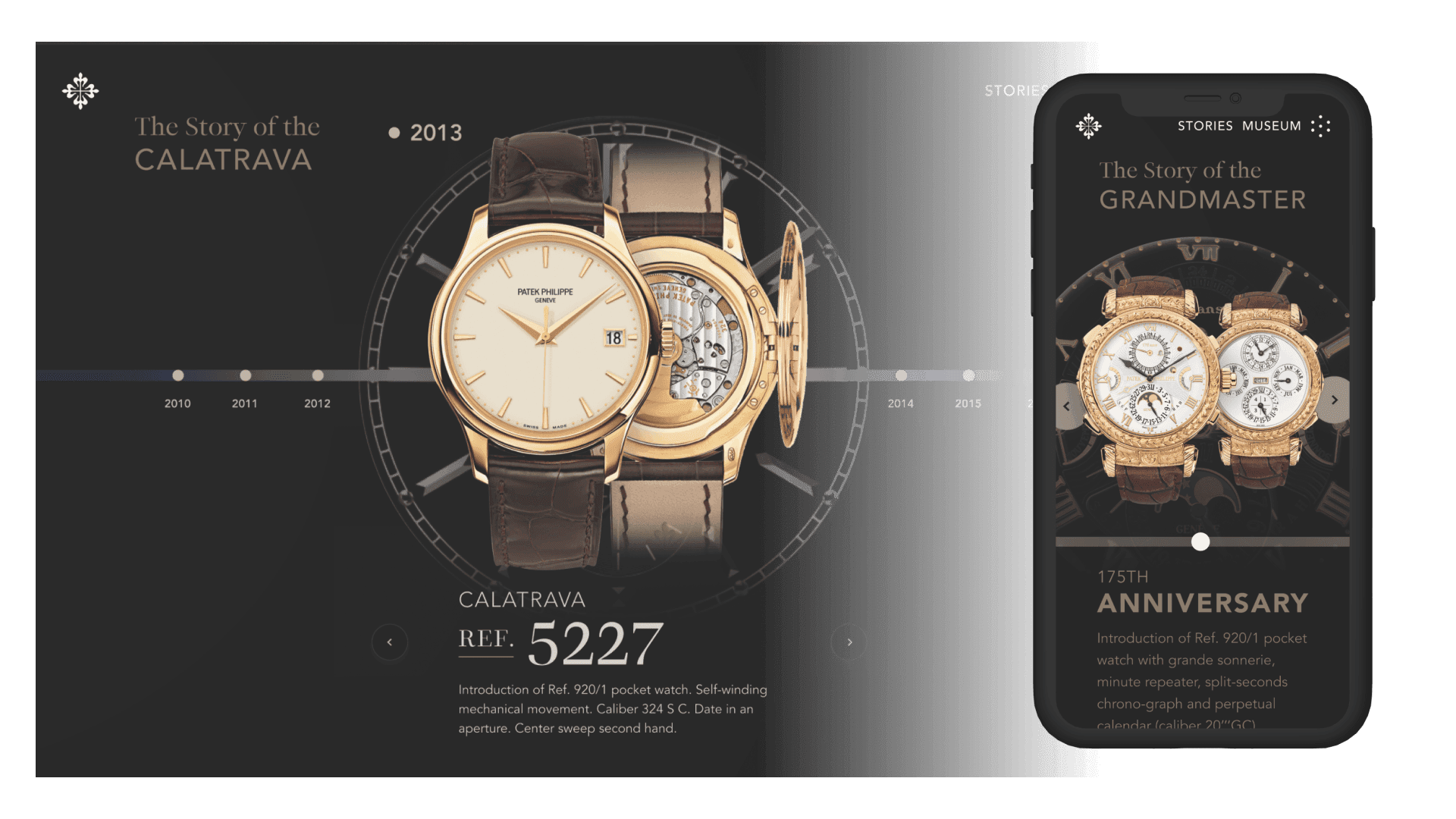
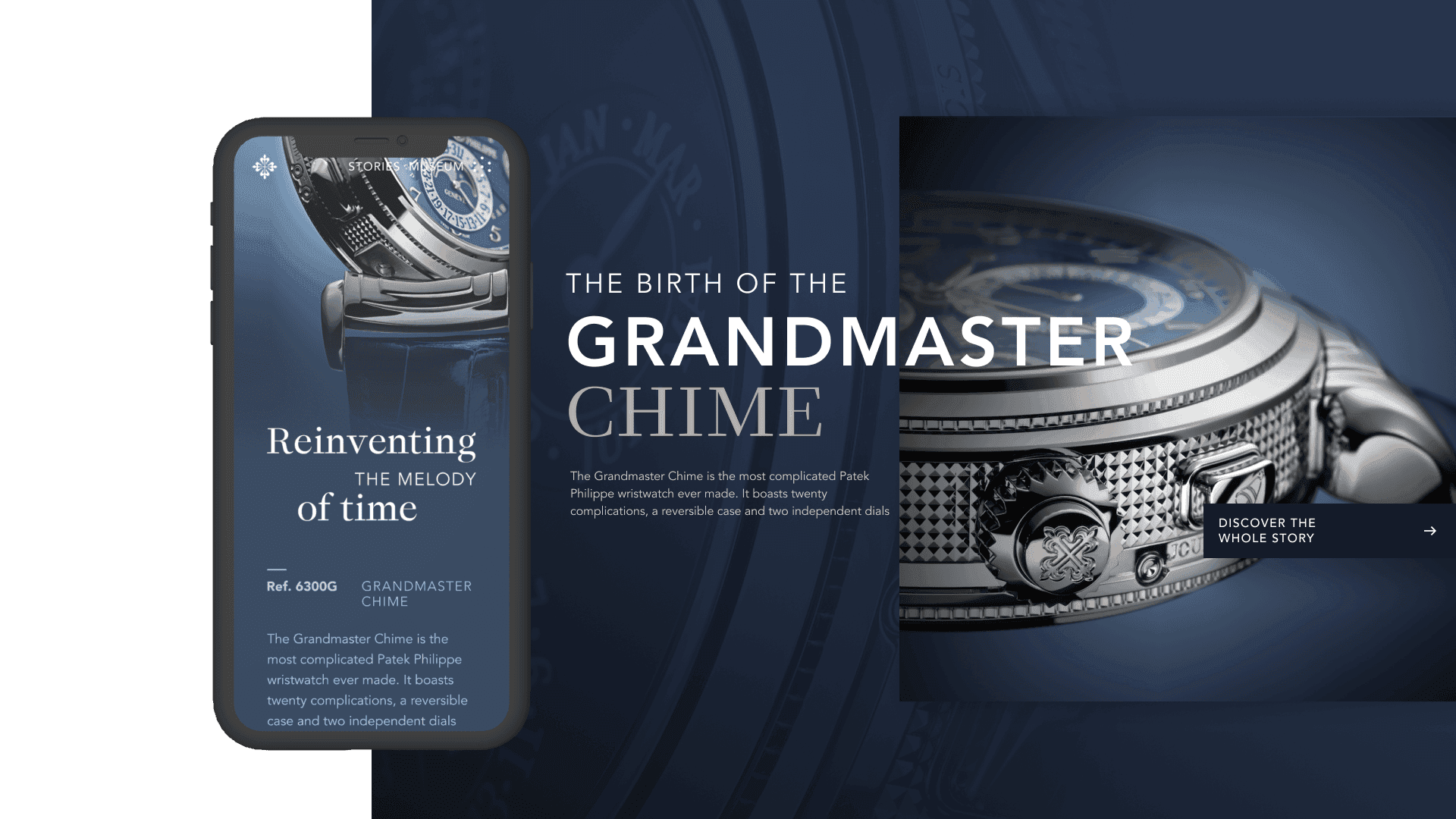
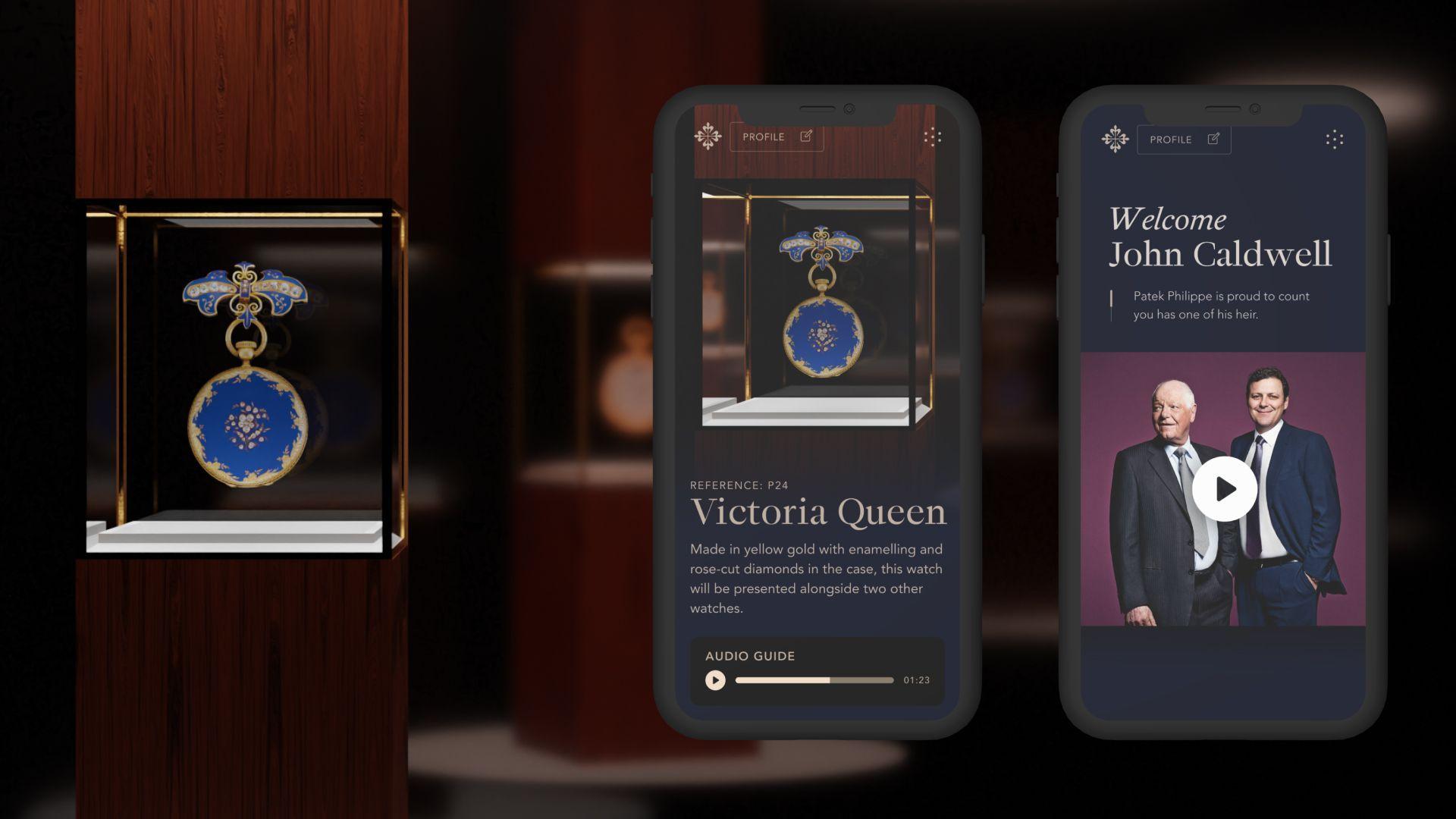
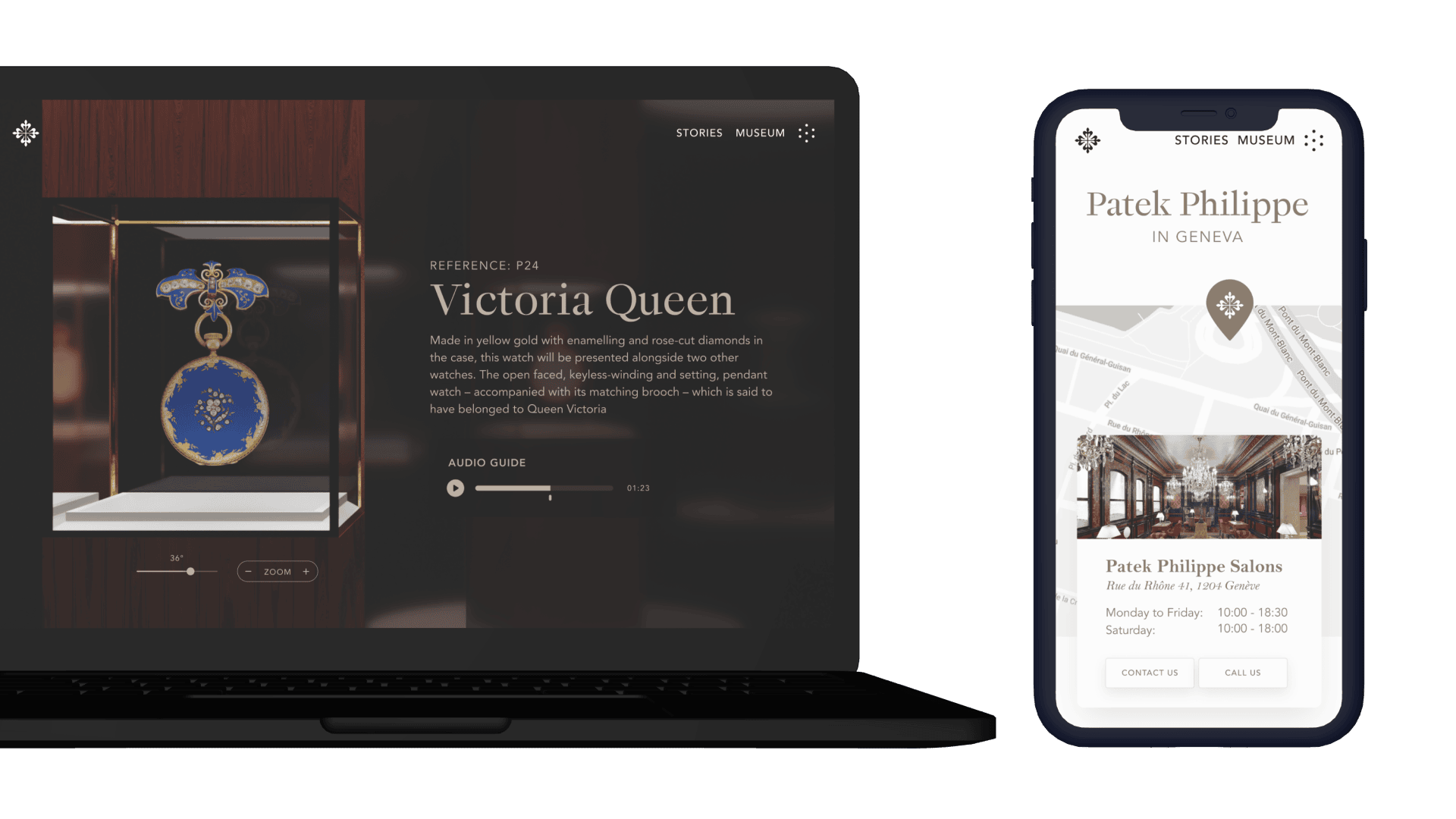
- I designed the whole experience: how the collection is displayed, how visitors search the real museum, and how each piece is shown and explored on its own in 3D.
- Collection
- The museum's whole collection, with additional content such as documentaries on certain pieces and more images.
- Prototype
- I learned C# and Unity to build the proof of concept.
What it changed
A museum open by appointment, made more accessible.
Testing the proof of concept
- 120Pieces
- 103User testers
- 6 minAverage time
- 22One-on-one interviews
- 20Co-creators
Who it helped
- Visitors
- The museum is open by appointment only. Online, its collection became far more accessible.
- Collectors
- Interviews showed they wanted advanced ways to filter and search the whole collection, so we co-created that module with 20 of them. Some clients also asked for an account, to save models and book an appointment to see a piece at the real museum.
- Patek Philippe
- The museum's prestigious pieces gave the brand even more weight in watchmaking history, reinforcing it as a guardian of part of the watchmaking tradition.
Explore case studies
Explore other projects
- LO-OL FoundryA type foundry making typefaces that customers test before they buy, and tools that speed up Korean font design
- EHL SchoolA guided application and program explorer for prospective students
- PartOfA platform that helps neighbours meet and help each other, built around residents’ needs
- NissanOne app for drivers to manage their thermal or electric Nissan
- Smart HangeulAn application that speeds up the creation of Hangeul typefaces by 25%, automating smart components, their variations and the full character set